
★★★★★
"We entered the Serengeti from Mwanza instead of Arusha on a friend's recommendation and barely saw another vehicle at the river crossings. Completely changed how we think about the park."
OLIVER T. — UNITED KINGDOM · AUGUST VISIT
Tanzania's second-largest city sits on the shores of Africa's largest lake, ringed by giant balancing granite boulders and a scatter of forested islands. It's also the quieter gateway to the western Serengeti — here's the complete guide to making the most of it. Updated for the 2026/2027 season.
Welcome to Mwanza
Mwanza sits on the southern shore of Lake Victoria, Africa's largest lake, and Tanzania's second-largest city has grown up around and between enormous smooth granite boulders — giving it the enduring nickname "Rock City." The most famous formation, Bismarck Rock, balances at the water's edge and has become the city's unofficial symbol.
Beyond its own landscape, Mwanza is a genuine alternative gateway to the western Serengeti, reaching the park's less-visited Grumeti and Kogatende areas without the Arusha-based crowds. Add two national parks reachable by boat, a significant Sukuma cultural heritage, and a working lake-fishing economy, and Mwanza easily fills two or three days on its own merits.
It works well for travelers wanting to see the western Serengeti's quieter migration corridor, for those drawn to Lake Victoria's island national parks, and for anyone wanting a genuinely different, less-touristy Tanzanian city experience.
The best things to do
Every card below links through to the full details for that activity — tap any one to see itinerary, pricing, and booking.
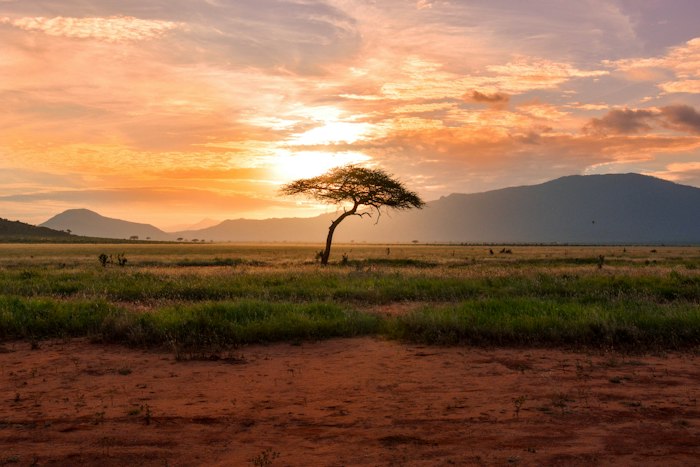
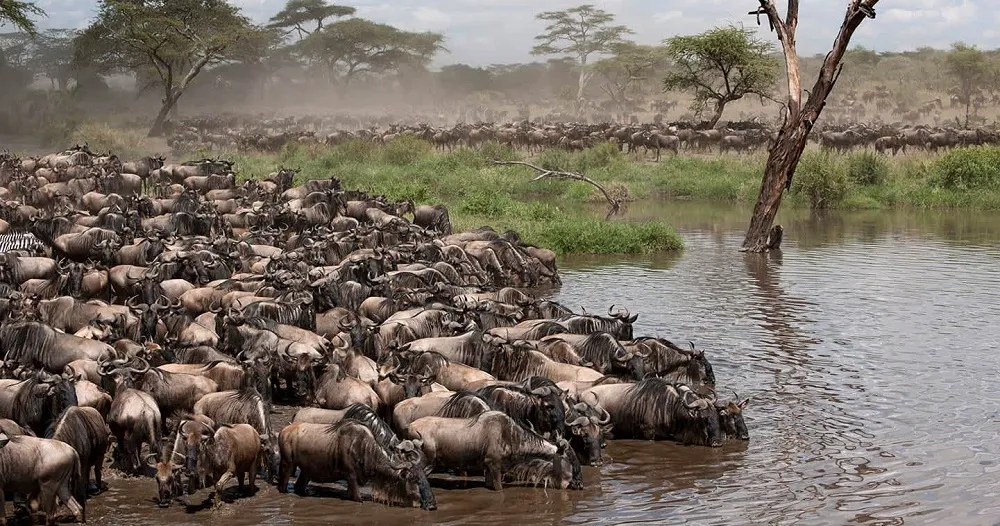
Reach the Grumeti and Kogatende areas of the Serengeti from Mwanza rather than Arusha — a quieter route to the same migration river crossings, without the busier eastern circuit crowds.

A forested island sanctuary in Lake Victoria, home to chimpanzees, sitatunga antelope, and excellent birdwatching — reached by boat for a genuinely off-the-beaten-path overnight or day trip.
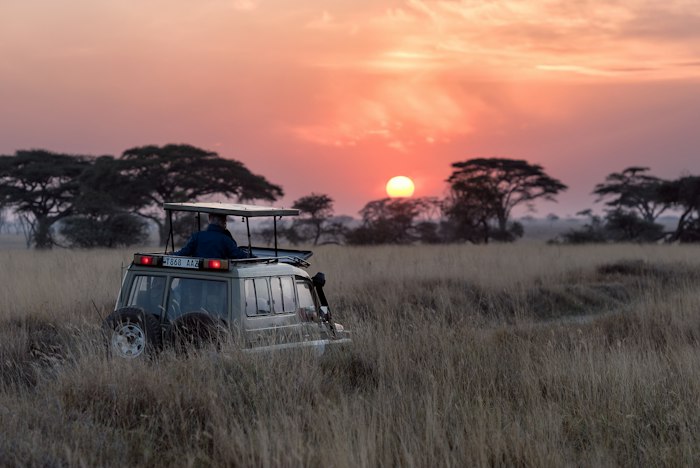
One of Africa's smallest national parks, a short boat ride from the city center, with rock hyrax, impala, and giant granite boulders — an easy half-day escape without leaving town proper.
Mwanza's most photographed landmark, a giant granite boulder balanced at the water's edge, best seen from a slow evening cruise as the sun drops over Lake Victoria.
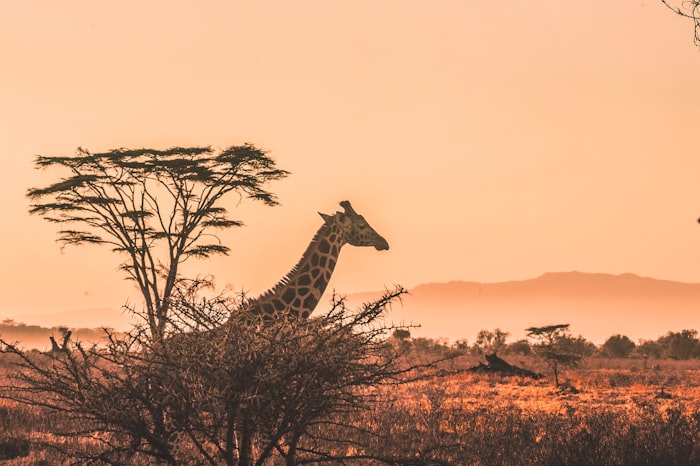
A living cultural museum dedicated to the Sukuma, Tanzania's largest ethnic group, with traditional homesteads, drum and dance demonstrations, and a distinctive pyramid-roofed chapel.

The largest inland island in Africa, reached by ferry from Mwanza, with fishing villages, rock formations, and a slower island pace worth a full day's exploration.
A guided walk through the city's most striking granite boulder formations woven directly into the streets and neighborhoods — the landscape feature that gave Mwanza its nickname.
Watch the Nile perch and dagaa catch come in at a working lakeside village, then walk through the market stalls where much of the region's fish trade is bought and sold.
A short climb up granite outcrops on the city's edge for a sweeping view over Mwanza's rooftops, the harbor, and Lake Victoria — a favorite spot for sunset photos.
Beyond the city
Mwanza's biggest draw for many visitors is simply how it changes the Serengeti experience — reaching the park's western Grumeti sector or the Kogatende crossing points from here avoids the heavier traffic of the Arusha-based eastern and central circuits, particularly during peak migration months.
Closer to the city, both Saanane and Rubondo Island National Parks are reachable by boat, offering a genuinely different kind of wildlife encounter built around water rather than open plains. Ukerewe Island, further out, rewards a full day with its own distinct fishing-village pace.
2–4 hrs by road. The quieter Grumeti and Kogatende migration corridors, reached without the Arusha crowds.
Boat access. Chimpanzee tracking and birding on a forested Lake Victoria island.
Short boat ride from town. The easiest wildlife encounter in the city itself.
Culture and lake life around Mwanza
Mwanza's identity is shaped as much by Lake Victoria's fishing economy and Sukuma cultural heritage as by its famous rock formations.
| Experience | Duration | What it involves | Best for |
|---|---|---|---|
| Sukuma Museum at Bujora | 3–4 hrs | Traditional homesteads, dance demonstrations, distinctive architecture | Deepest cultural context in the region |
| Lake Victoria fishing village | 2–3 hrs | Watching the daily Nile perch and dagaa catch, market visit | Understanding the lake economy |
| Ukerewe Island | Full day | Ferry crossing, village walks, rock formations, slower island pace | Travelers with a full free day |
| Bismarck Rock sunset cruise | 2–3 hrs | Boat trip past the city's landmark rock formation at golden hour | A relaxed, photogenic evening |
Planning your visit
Mwanza has its own airport with regular domestic flights from Arusha, Dar es Salaam, and Kilimanjaro International Airport, plus some regional connections. Road and ferry links connect it to other Lake Victoria towns.
Late June through October and late December through February bring the most comfortable travel conditions and the best wildlife viewing in the western Serengeti.
Lakefront hotels offer sunset views and easy boat access to Saanane Island; city-center options put you closer to the market, Bismarck Rock, and Capri Point.
Tanzanian shillings are standard for local purchases; US dollars are widely accepted for tours and larger hotel bills. ATMs are readily available in the city center.
In their words
"We entered the Serengeti from Mwanza instead of Arusha on a friend's recommendation and barely saw another vehicle at the river crossings. Completely changed how we think about the park."
"Rubondo Island felt like discovering a completely different Tanzania — chimpanzees, forest, and total quiet, all reached by a short boat ride from a city most people just fly through."
"The sunset cruise past Bismarck Rock was the calmest evening of our whole trip. Simple boat, cold drinks, a genuinely beautiful sky over the lake."
Expert answers
Tell us how many days you have and what you're most interested in, and we'll put together a plan around Mwanza — as a standalone stop or part of a wider safari.