★★★★★
"We climbed Mount Meru as prep before Kilimanjaro and it turned out to be a highlight in its own right — genuinely dramatic terrain and hardly anyone else on the trail."
ANDERS K. — SWEDEN · JULY VISIT
Arusha is where most northern Tanzania safaris begin — but between the Ngorongoro day trips, it's a destination in its own right, with Mount Meru rising at its edge, a coffee-farm countryside, and easy access to Tarangire and Arusha National Parks. Here's the complete guide. Updated for the 2026/2027 season.
Welcome to Arusha
Arusha sits at roughly 1,400 metres between Mount Meru and Mount Kilimanjaro, and functions as the logistical heart of northern Tanzania's safari industry — nearly every trip into the Serengeti, Ngorongoro Crater, or Tarangire is organized from here. But the city and its surrounding countryside also hold plenty on their own: a compact walkable center, a busy market and clock tower roundabout, coffee estates on the lower slopes of Meru, and Lake Duluti's crater-lake calm just outside town.
For travelers with an extra day or two before or after a safari, Arusha rewards slowing down — a Maasai cultural visit, a Mount Meru day hike or full climb, or simply time in the cultural heritage center's galleries and curio shops.
It works well as a one- or two-night buffer before and after a Serengeti or Ngorongoro safari, as a base for day trips into Arusha and Tarangire National Parks without committing to a longer circuit, and for anyone wanting to climb Mount Meru as a serious Kilimanjaro acclimatization trek beforehand.
The best things to do
Every card below links through to the full details for that activity — tap any one to see itinerary, pricing, and booking.
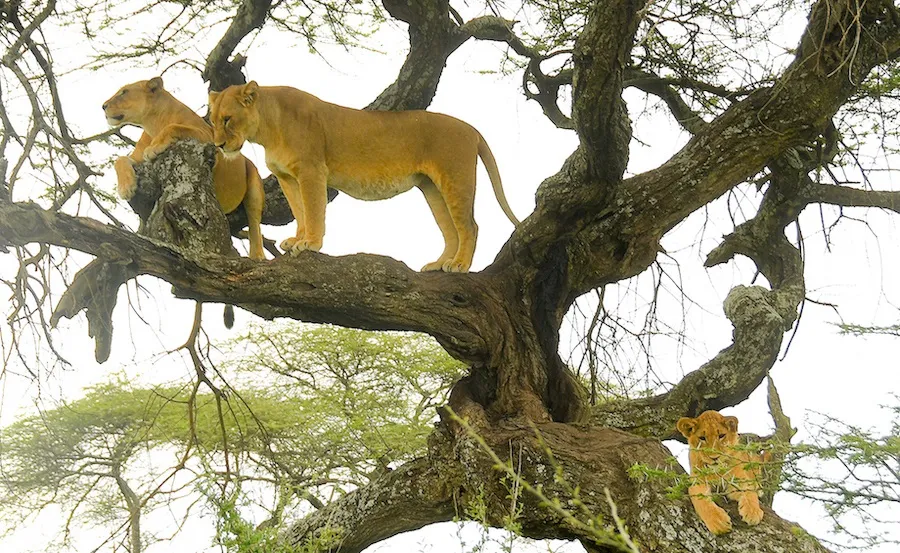
One of the densest concentrations of wildlife on the continent inside a collapsed volcanic caldera — lion, elephant, rhino, and flamingo-lined lakes, all in a single day trip.
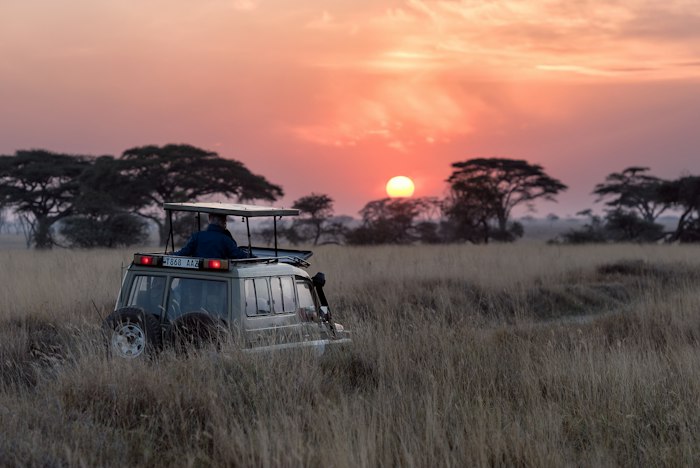
A compact park right on the city's doorstep — giraffe, buffalo, and colobus monkeys, plus canoeing on the Momella Lakes beneath Mount Meru.
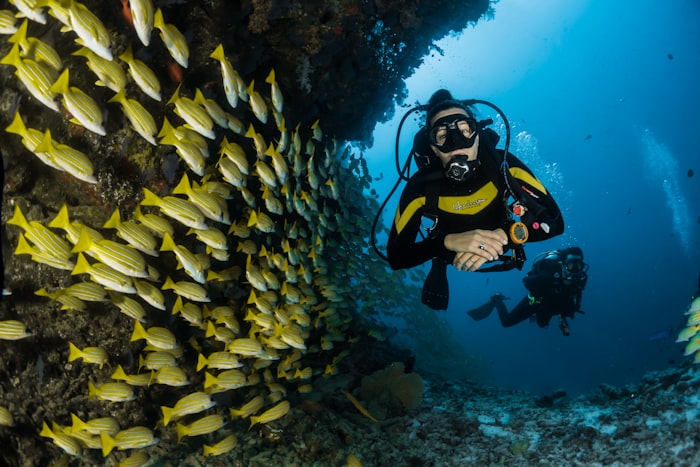
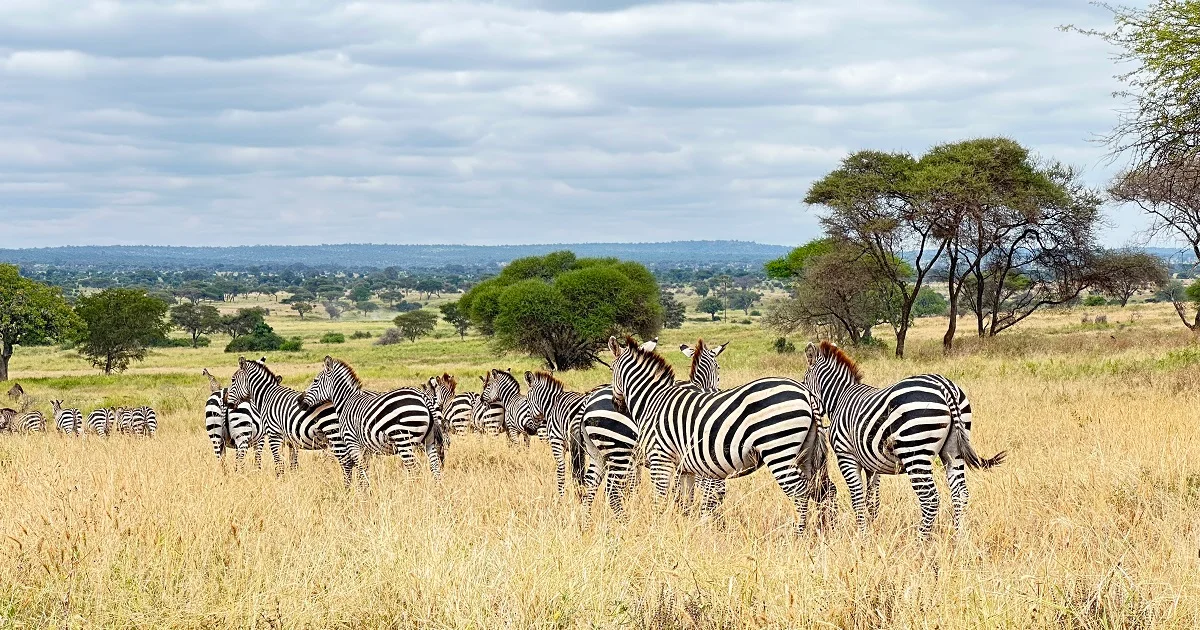
Famous for its enormous elephant herds and ancient baobab trees, Tarangire makes an excellent day safari from Arusha, especially in the dry season when wildlife concentrates near the river.
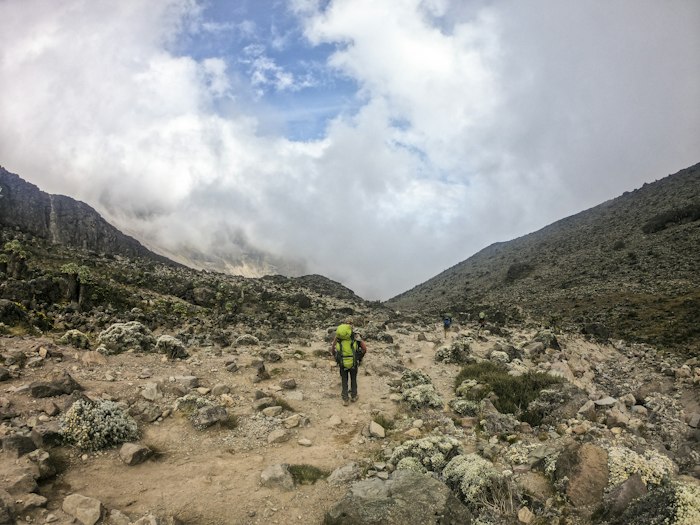
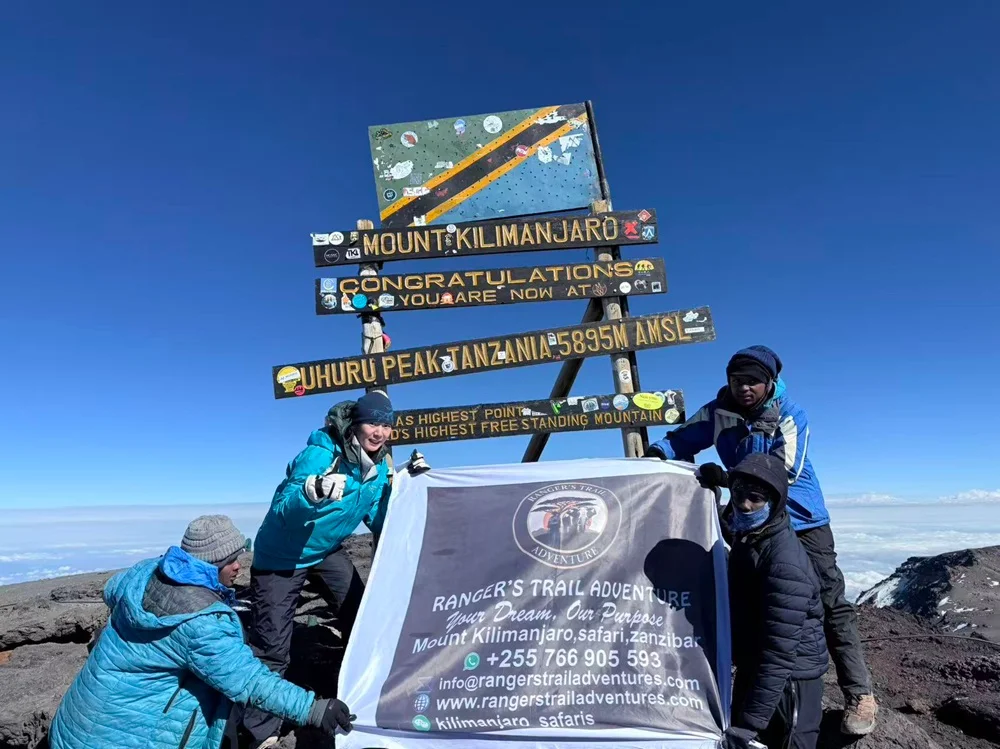
Tanzania's second-highest peak at 4,566 metres, and one of the best possible acclimatization treks before a Kilimanjaro attempt — dramatic ridgelines, wildlife on the lower slopes, and far fewer climbers.
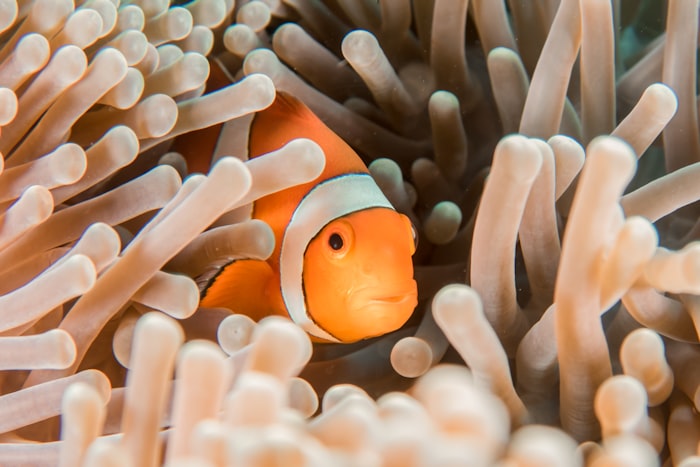
A small, still crater lake ringed by forest just outside town — canoe across the water or walk the forest loop, spotting birds and colobus monkeys along the way.
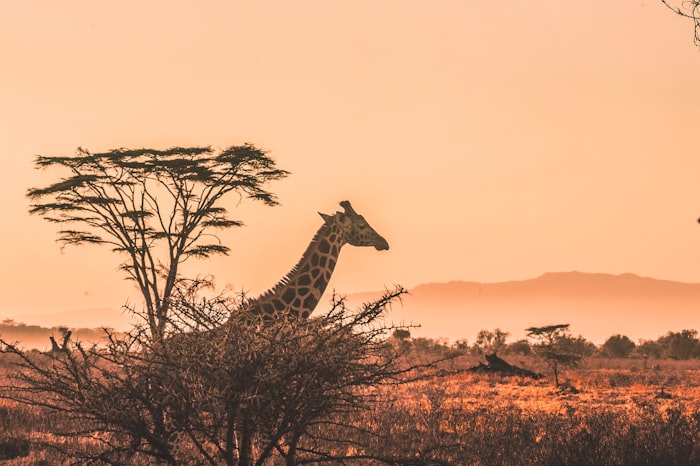
Visit a Maasai community near Monduli or Ilkiding'a for traditional dance, homestead demonstrations, and an honest conversation about how the community balances tradition with modern life.

A large gallery and shopping complex of Tanzanian and East African art, tanzanite jewelry, and curios — a good rainy-afternoon stop or last-day souvenir run.

A social enterprise on a working coffee lodge that trains and employs people with disabilities to make glass, jewelry, and textiles — tour the workshops and shop directly from the makers.

The famous clock tower roundabout, the central market's produce and spice stalls, and a local guide's take on the city's history as a colonial administrative post turned safari hub.
Beyond the city
Arusha's location between the Serengeti circuit and Kilimanjaro's foothills makes it the natural staging point for northern Tanzania's best-known parks. Ngorongoro Crater is the standout day trip — a roughly two-hour drive each way for one of the most concentrated wildlife experiences in Africa. Tarangire, similarly distanced, trades crater density for elephant herds and baobab-studded scenery.
Closer to town, Arusha National Park and Lake Duluti both sit within an hour, making them easy to combine with a half-day cultural visit or the heritage center on the same day.
~2 hrs away. Extraordinary wildlife density inside a collapsed volcanic caldera.
~2 hrs away. Elephant herds and ancient baobab trees, especially strong in the dry season.
~40 min away. Giraffe, buffalo, colobus monkeys, and Momella Lakes canoeing right on the doorstep.
Culture and craft around Arusha
Arusha and its surrounding communities offer some of northern Tanzania's most substantive cultural experiences, well beyond a curio-shop stop.
| Experience | Duration | What it involves | Best for |
|---|---|---|---|
| Maasai boma visit | 3–4 hrs | Homestead visit, traditional dance, honest cultural exchange | Travelers wanting genuine cultural depth |
| Shanga Craft Workshop | 2–3 hrs | Glass, jewelry, and textile workshops run by people with disabilities | Socially conscious travelers |
| Cultural Heritage Centre | 2–3 hrs | Large art gallery and curio shopping complex | Souvenir shopping, rainy-day plans |
| Arusha town walking tour | 2–3 hrs | Clock tower, central market, colonial-era architecture | First orientation to the city |
Planning your visit
Most international visitors fly into JRO, about an hour from Arusha town. A smaller domestic airport within Arusha itself handles regional flights, and Moshi is roughly 90 minutes away by road.
Late June through October and late December through February bring the most comfortable travel conditions and the best wildlife viewing on day trips to Ngorongoro and Tarangire.
Central Arusha has hotels and guesthouses within walking distance of the clock tower and market; countryside lodges toward Mount Meru offer quieter, greener bases with mountain views.
Tanzanian shillings are standard for local purchases; US dollars are widely accepted for tours, park fees, and larger hotel bills. ATMs are readily available throughout town.
In their words
"We climbed Mount Meru as prep before Kilimanjaro and it turned out to be a highlight in its own right — genuinely dramatic terrain and hardly anyone else on the trail."
"Ngorongoro from Arusha exceeded every expectation. We saw all of the Big Five before lunch and were back at our hotel by dinner."
"The Maasai boma visit near Monduli felt honest, not staged — real conversation, real questions answered. Best cultural morning of our whole trip."
Expert answers
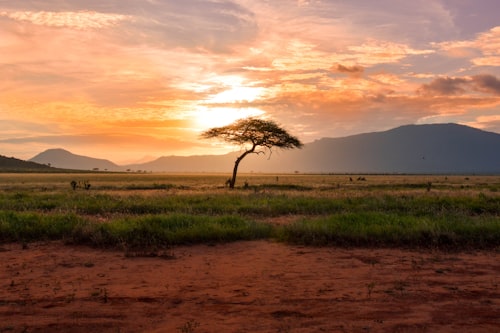
Tell us how many days you have and what you're most interested in, and we'll put together a day-tour plan around Arusha — before, after, or instead of a safari.