★★★★★
"Splitting Ndutu and Seronera into two days made all the difference — they genuinely felt like two different parks, not two versions of the same drive."
ELENA T. — POLAND · FEBRUARY SAFARI
Tarangire, Lake Manyara, and every one of the Serengeti's four named regions as its own dedicated day — Ndutu, Seronera, the Grumeti, and the Mara — followed by an unhurried finish at Ngorongoro Crater. The most complete version of the classic northern circuit.
The circuit, mapped
The route runs Arusha → Tarangire → Lake Manyara → Ngorongoro Conservation Area → Serengeti (4 full days, all 4 regions) → Ngorongoro Crater → Arusha, roughly 1,250 kilometres in total — the most complete version of our northern-circuit itinerary, giving the southern plains and central Seronera each a genuinely separate day instead of combining them.
Why split south and central
This is the most complete version of our northern-circuit safari — the same Tarangire, Manyara, and Ngorongoro-finish structure as our 8-day itinerary, but with the Serengeti split into four separate full days instead of three, one for each of the park's named regions. The southern plains near Ndutu, known for calving season and its resulting predator activity, get their own day distinct from central Seronera's kopjes and resident lion prides — two genuinely different landscapes that shorter itineraries usually compress into one.
The result is the closest thing to a complete tour of the Serengeti that a fixed itinerary can offer: four regions, four days, each with real time to explore rather than pass through. It's a natural choice for travelers who've done a shorter safari before and want the fuller version, or anyone whose travel dates could align with either calving season or migration crossings and want the flexibility to properly experience whichever one is happening.
Not three regions across three days — four regions across four full days.
Two genuinely different landscapes get the separate time they deserve.
Beyond this, a fully private, custom-built itinerary becomes the natural next step.
Choosing a length
Every itinerary length has trade-offs — here's how 9 days compares honestly to the alternatives.
| Length | Parks covered | Serengeti days | Best for |
|---|---|---|---|
| 6 Days | 4 parks | 2 regions | A genuinely complete introduction |
| 8 Days | 4 parks | 3 regions | Migration-focused, repeat visitors |
| 9 Days | 4 parks | 4 regions, separately | The fullest fixed itinerary available |
| Private, custom | Any combination | Any | Specific priorities beyond this route |
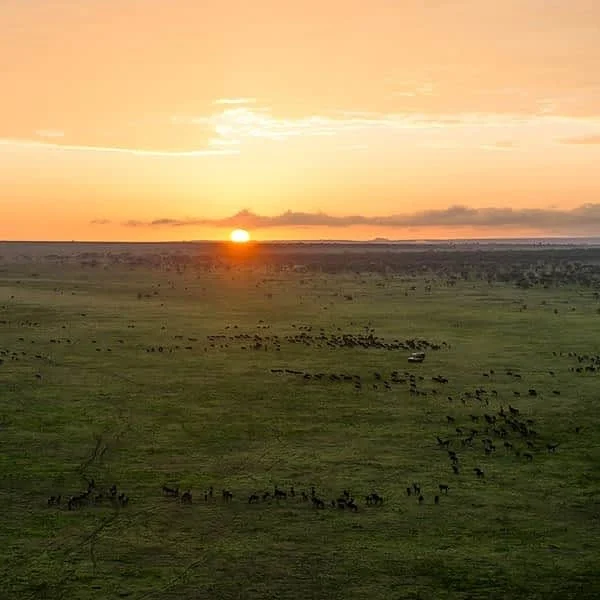 Ndutu Plains
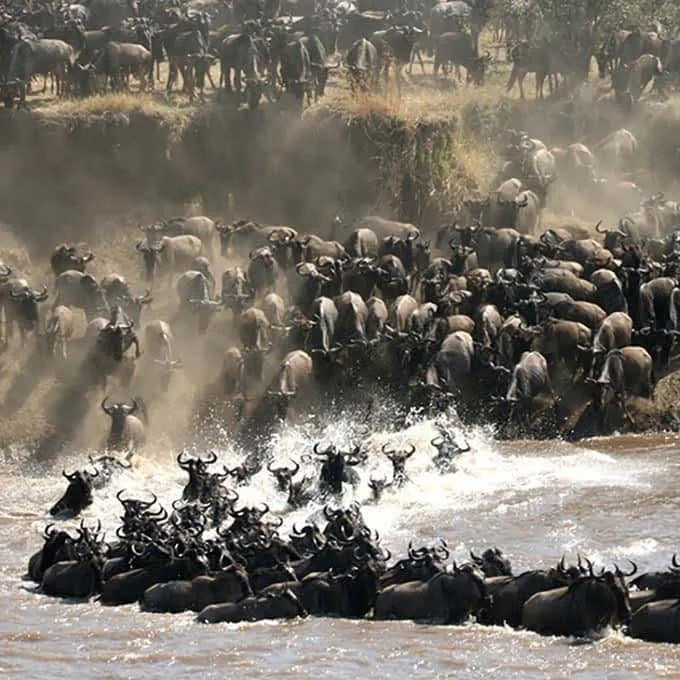 Mara River Crossing
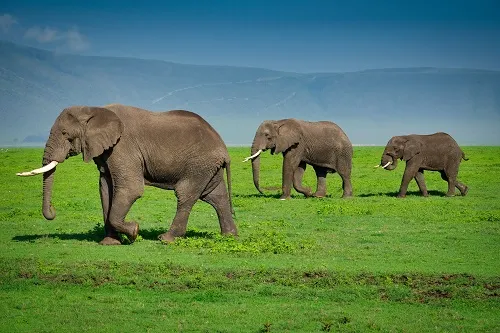 Ngorongoro Crater
Day by day
Nine days, mapped by park and drive. The marker in the corner tracks where you'd be as the trip unfolds — and your booking details are right here whenever you're ready.
A morning pickup and short drive to Tarangire, famous for some of the largest elephant herds in Tanzania and a landscape studded with ancient baobab trees. The afternoon is spent on a full game drive before checking into your lodge.
Meet your guide and depart for Tarangire National Park.
Overnight near Tarangire or Karatu, depending on the route plan.
Groundwater forest, open woodland, alkaline lake shore, and the base of the Rift Valley escarpment in one compact loop. Known for tree-climbing lions and, seasonally, large flamingo flocks.
A short transfer from your Tarangire-area lodge.
Flamingo flocks when seasonal water levels allow, plus reliable hippo sightings.
A travel day climbing up and over the Ngorongoro Conservation Area's rim before descending toward the Serengeti's southern plains. A stop at the Oldupai Gorge visitor center is often included, with an afternoon game drive as you enter Ndutu.
Climb through the Ngorongoro highlands en route to the crater rim.
First views of the Ndutu area, with wildlife-spotting along the way to camp.
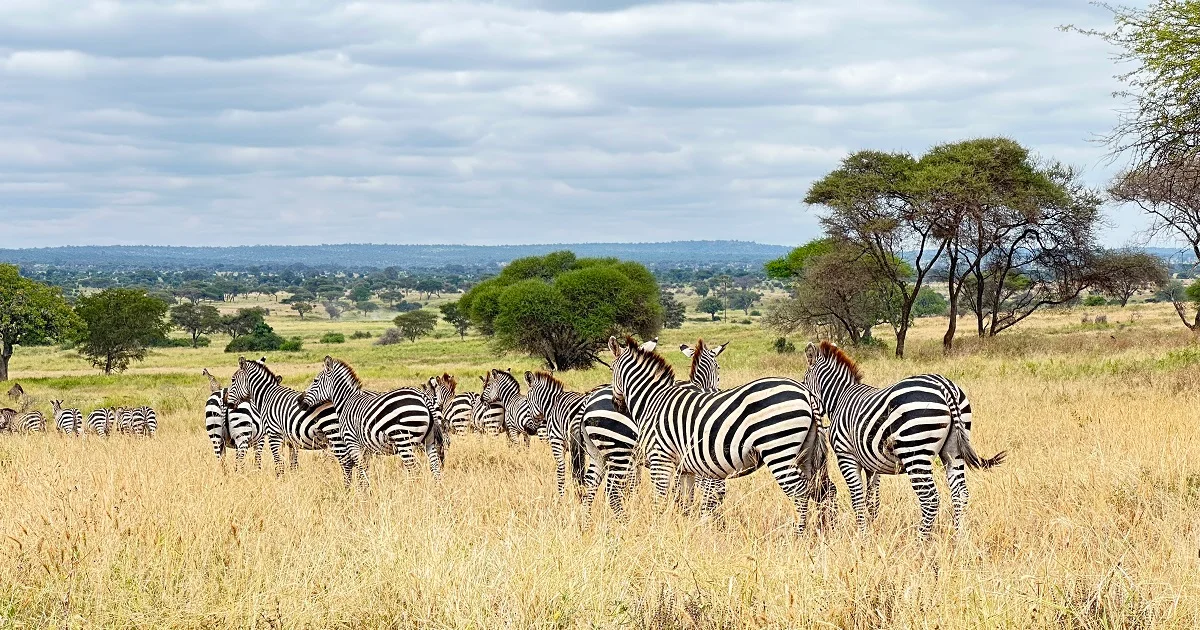
The classic "endless plains" — flat, short-grass savanna where the migration's herds gather each year to calve, drawn by nutrient-rich volcanic soil. Strong odds for cheetah on the open ground, and dramatic predator activity during calving season.
Up to 8,000 wildebeest calves born daily at peak — and the predator activity that follows.
A short transfer to Seronera, the Serengeti's most reliably game-rich region year-round — granite kopjes with resident lion prides, riverine forest for leopard sightings, and a genuinely different feel from the open Ndutu plains.
Strong lion and leopard sightings independent of migration timing.
A quieter, less-visited stretch reaching toward Lake Victoria, where the migration passes on its move north, crossing the Grumeti River — smaller and less crowded than the famous Mara crossings, but with real crocodile drama of its own.
A quieter version of the migration's river-crossing drama.
The itinerary's centerpiece day, reaching the most remote and photographed part of the Tanzanian Serengeti — where herds cross the crocodile-filled Mara River into Kenya and back, often multiple times in a season, roughly July through October.
Herds gather at the riverbank and can wait hours or days before crossing, or not cross at all during a given visit — genuinely unpredictable, and no operator can promise a crossing on your dates.
The most sought-after migration moment, weather permitting.
Rather than combining the crater tour with the full drive back to Arusha, this itinerary breaks the return into two calmer days — a full morning descended onto the crater floor, the most concentrated wildlife density of the trip, followed by an overnight in Karatu.
A final, concentrated game drive across the caldera floor.
A relaxed evening rather than a long final drive.
A relaxed final morning before the short drive back to Arusha, arriving in time for an afternoon flight home or the start of a Zanzibar or Kilimanjaro extension.
A short, easy drive compared to the rest of the trip.
Drop-off at your hotel or the airport, depending on onward plans.
Accommodation tiers
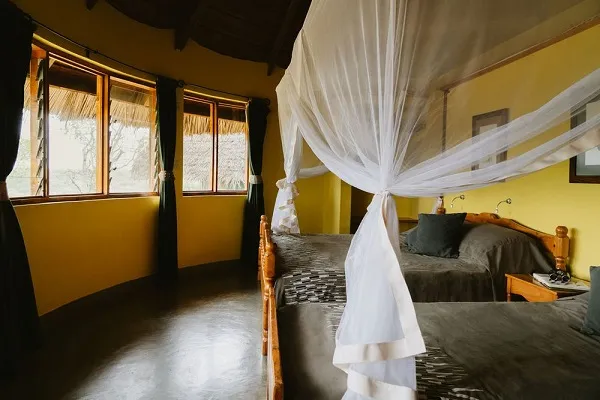
Identical route and inclusions across all three — the difference is lodge quality and comfort level.
What's covered
When to go
| Months | Conditions | Rating | Notes |
|---|---|---|---|
| Jul – Oct | Dry season, peak Mara crossings | Excellent | The best window to target the northern Serengeti day for crossings |
| Jan – Mar | Calving season | Excellent | Best window for the Ndutu day's predator activity |
| Apr – Jun | Rains, then Grumeti crossings begin | Good, timing matters | Western Serengeti day best targets late-May/June activity |
| Nov | Short rains | Good | Brief afternoon showers, lush and quiet |
| Dec | Transitional | Good | Holiday season, generally favorable conditions |
In their words
"Splitting Ndutu and Seronera into two days made all the difference — they genuinely felt like two different parks, not two versions of the same drive."
"This was our third Tanzania trip and by far the most complete. All four Serengeti regions in one visit is genuinely rare."
"We were there for calving season and the Ndutu day alone was worth the whole trip — cheetah hunts, jackals, the works, all in one dedicated day."
Expert answers