"We added this on our way to Ngorongoro and it barely cost us any extra time. The homestead explanation was genuinely interesting — I hadn't understood how central the cattle enclosure is to the whole layout."
Who you'll meet
Pastoralists who've shaped this landscape for centuries
The Maasai are a semi-nomadic pastoralist people found across northern Tanzania and southern Kenya, closely associated with the savanna landscapes that make up much of the northern safari circuit. Cattle are central to Maasai life — a measure of wealth, a source of food, and the reason bomas are built the way they are, with homes arranged in a circle around a central livestock enclosure for protection at night.
A typical visit includes a walk through the boma to see how homes, called inkajijik, are built from a timber frame plastered with mud, sticks, and cow dung — traditionally the work of the women of the community. Most visits also include a welcome song, a demonstration of the adumu, the traditional jumping dance associated with Maasai warriors, and a chance to see or buy beadwork made by the women.
Not a historical reenactment — cattle-herding and boma life continue as the Maasai's primary livelihood across much of northern Tanzania.
Traditionally performed by young Maasai warriors, competing to jump the highest without bending their knees on landing.
Intricate beaded jewelry and ornaments, traditionally made by Maasai women and often available to purchase directly.
- We work with bomas where the community itself hosts and benefits from visits
- Fees are paid directly to the boma, not routed through a separate ticket office
- No pressure to purchase beadwork or crafts — it's entirely optional
- Photography with consent, agreed with the family before the visit
- Ask your guide directly whether a boma is lived-in or purpose-built — a fair question to raise before booking

Trip intelligence
Ways to add this to your safari
Because a boma visit is short, it's almost always combined with something else rather than booked as a full standalone day. Here's how travelers typically fit it in.
| Option | Added time | Best for | Typical cost |
|---|---|---|---|
| Add-on to Ngorongoro day trip | +1–1.5 hrs | Travelers already booking a Ngorongoro day | Lowest, ~$45pp |
| Add-on to Serengeti transfer | +1–1.5 hrs | Multi-day safari itineraries | Low, similar add-on rate |
| Standalone from Arusha | Half-day, ~3–4 hrs | Travelers without another day trip booked | Moderate, ~$90pp shared |
| Private, flexible timing | Your choice | Photography-focused or smaller groups | Highest, ~$150pp |
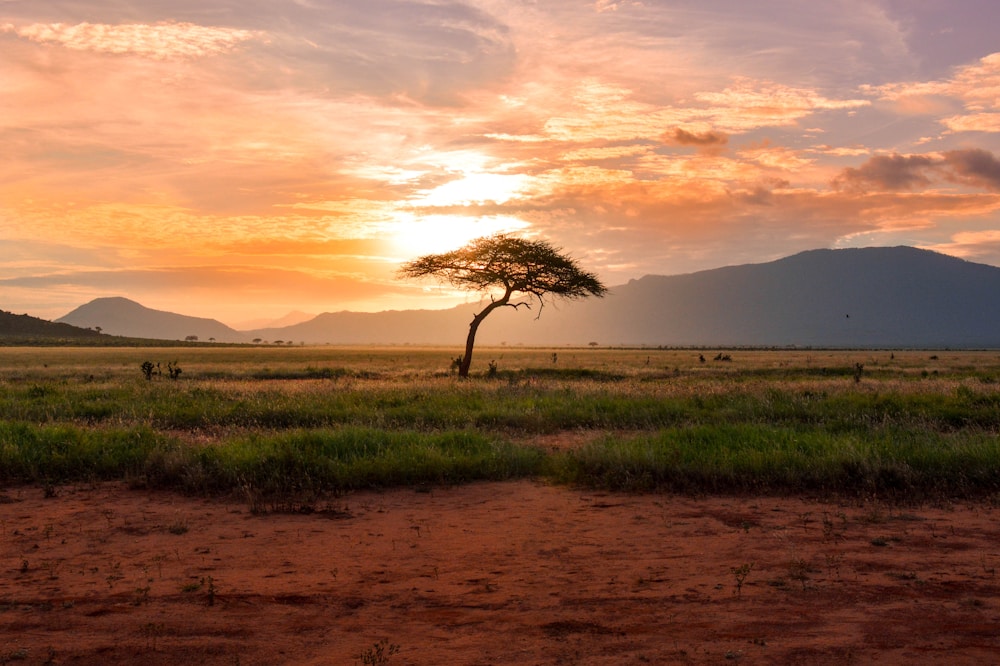
Northern Circuit Savanna
BeadworkStep by step
Trace the visit
A short, focused sequence — typically 1 to 1.5 hours from arrival to departure. The marker in the corner tracks where you'd be as the visit unfolds — and your booking details are right here whenever you're ready.
-
Step 1On arrival at the boma
Arrival and welcome song
Visitors are greeted at the boma entrance, often with a traditional welcome song from the community. Your guide introduces the group and explains the format of the visit before it begins.
ArriveGreeted at the entranceA welcome song is common, though it varies by community and isn't guaranteed at every visit.
-
Step 2~20–25 minutes
Homestead and boma layout tour
A walk through the boma explaining the circular layout — homes arranged around a central livestock enclosure — and a look inside a traditional inkajijik, built from a timber frame plastered with mud and cow dung.
TourBoma layout explainedWhy the circular design protects cattle, the community's primary source of wealth, from predators at night.
InsideA traditional homeConstruction method and daily use explained by a family member or guide.
-
Step 3~15–20 minutes
Traditional jumping dance
The adumu, often called the jumping dance, is traditionally performed by young Maasai warriors, historically as a demonstration of strength during rites of passage. Visitors are sometimes invited to try, always optional.
DanceAdumu demonstrationRhythmic singing accompanies the jumping; heights are competitive within the group performing.
-
Step 4~15–20 minutes
Beadwork and market stalls
A chance to see beadwork made by the women of the community — necklaces, bracelets, and other ornaments — laid out for viewing and, if you choose, purchase. There's no obligation to buy anything.
BrowseBeadwork on displayMade by the community's women; purchases go directly to the individual makers.
-
Step 5Closing the visit
Questions, fee handover, and departure
A closing period for questions about Maasai life, cattle, and the community, followed by the community fee handover, paid directly, before returning to the vehicle and continuing on to the next stop in your itinerary.
Why this fee structure mattersPaying the community directly, rather than through a separate booking office unrelated to the boma, is one of the clearest ways to know the visit fee actually reaches the people you spent the hour with.
ClosingQuestions and fee handoverA relaxed close to the visit before continuing your day.
Visit options
Choose your visit option
Identical visit sequence across all three — the difference is whether you're adding it to an existing day trip or booking a dedicated vehicle.
What's covered
Inclusions and exclusions
- Community fee, paid directly to the boma
- Local guide familiar with the community
- Vehicle and transfers, standalone and private options
- Welcome song, homestead tour, and dance demonstration
- Beadwork or craft purchases, entirely optional
- International or domestic flights
- Tanzania tourist visa, approx. $50 online
- Meals — usually arranged around another trip's schedule
- Travel insurance
When to go
Timing notes
| Consideration | Notes |
|---|---|
| Time of day | Late morning to early afternoon typically works best, avoiding the hottest midday hours for the dance demonstration. |
| Season | Unlike wildlife-viewing trips, this visit runs year-round — it isn't weather-dependent in the way a game drive is. |
| Combining with a safari | Best scheduled on the drive between Arusha and Ngorongoro, or as part of a Ngorongoro or Manyara day trip. |
| Group size | Smaller groups tend to have a more personal visit; larger groups may be split for the homestead tour portion. |
In their words
What our travelers say
"My son got invited to try the jumping dance and completely failed to get any height, much to everyone's amusement. No pressure to buy anything at the beadwork stall either, which we appreciated."
"I'd read mixed things online about these visits before booking and asked our guide directly how the fee worked. He gave a straight answer, which made me feel a lot better about the whole thing."
Expert answers
Frequently asked questions
-
It varies by operator and location. Many bomas along the safari circuit, particularly near Ngorongoro and Arusha, host visitors as a regular part of community income, run by the families who actually live there, rather than a set built purely for tourism. Ask your operator directly whether the boma is a lived-in homestead or a purpose-built display before booking, and expect a straight answer either way.
-
Pricing starts at $45 per person as an add-on to another day trip and rises to $150 per person for a private, standalone visit. The fee is paid directly to the boma you visit, and any beadwork or crafts purchased go straight to the individual makers, not a separate shop.
-
A typical visit includes a welcome song from the community, a walk through the boma to see how homes are built and how the layout protects livestock at the center, a traditional jumping dance demonstration, and a chance to see or buy beadwork made by the women of the community. The whole visit usually runs 1 to 1.5 hours.
-
Yes, and it's the most common way this visit is arranged. Many bomas sit directly along the road between Arusha and Ngorongoro or near the Ngorongoro Conservation Area itself, making a 1 to 1.5 hour stop easy to add to a day trip or the drive between safari legs, without a separate dedicated day.
-
No. Beadwork and crafts are offered for sale as an optional part of the visit, and reputable guides won't pressure you to buy. That said, purchases go directly to the individual makers and are one of the more direct ways the visit fee benefits the community beyond the entry cost itself.