"We were honest with our guide that we cared most about seeing a river crossing, and he was honest back that it wasn't guaranteed. We got incredibly lucky on day three — but I appreciated that nobody oversold it beforehand."
What it is
The plains that gave safari its name
Serengeti National Park was established in 1940 and designated a UNESCO World Heritage Site in 1981, recognized for hosting the largest unaltered animal migration left on Earth. It forms the core of the wider Serengeti ecosystem, which stretches across the Ngorongoro Conservation Area, Maswa Game Reserve, the Grumeti and Ikorongo reserves, and Kenya's Maasai Mara — together spanning roughly 40,000 square kilometres that the migration moves through in a continuous, clockwise circuit.
The park is best known for the Great Migration — over 1.5 million wildebeest, alongside roughly 200,000-250,000 zebra and 400,000-500,000 Thomson's gazelle, moving in search of grazing and water across an annual circuit of nearly 1,000 kilometres. But Serengeti holds its own beyond the migration too: it has the largest lion population in Africa, strong resident populations of leopard, elephant, and buffalo, and is one of the last strongholds for endangered species including black rhino and African wild dog.
Not a single event but a year-round, weather-driven cycle — there's always a "when" that's better for something, never a single best month for everything.
High predator density throughout the park, with particularly strong sightings around Seronera year-round.
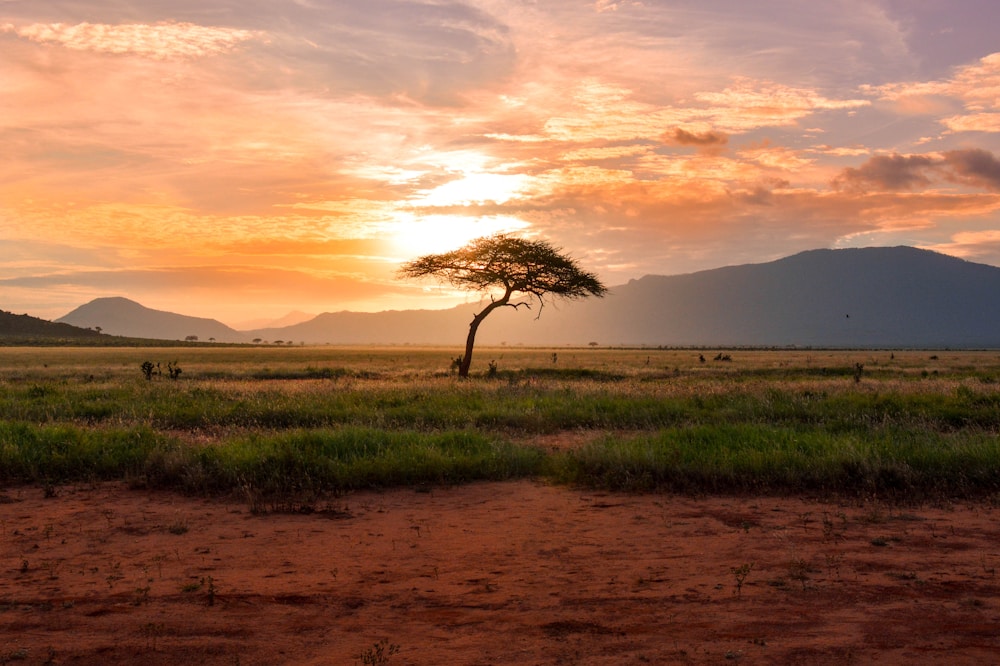
The "endless plains" nickname is earned — the southern Serengeti's short-grass plains stretch to the horizon with barely a tree in sight.
Timing the migration
The migration calendar, honestly
The migration follows rainfall, not a fixed schedule, so exact timing shifts by two to four weeks year to year. Here's the broad pattern, region by region.
| Months | Region | What's happening | Highlight |
|---|---|---|---|
| Jan – Mar | Southern plains, Ndutu | Calving season — up to 8,000 wildebeest calves born daily at peak | Predator action |
| Apr – Jun | Western Corridor | Herds move northwest; Grumeti River crossings begin | Crocodile crossings |
| Jul – Oct | Northern Serengeti, Mara River | Peak Mara River crossings; herds cross into Kenya's Mara and back | Iconic crossings |
| Nov – Dec | Central Serengeti, back to Ndutu | Short rains trigger the return south past Seronera | Quieter, green season |
Kopje, Central Serengeti
Mara River CrossingRegion by region
Explore the regions
Each part of Serengeti has its own character and best season — the map in the corner tracks where you'd be as you scroll through them, and your safari planning details are right here whenever you're ready.
-
Region 1 · Best Jan–MarSouthern Serengeti & Ndutu
Southern Plains and Ndutu
The classic "endless plains" — flat, short-grass savanna stretching to the horizon, shared informally with the neighboring Ngorongoro Conservation Area. This is where the migration's herds gather each year to calve, drawn by the nutrient-rich volcanic soil.
SeasonCalving, January to MarchUp to 8,000 wildebeest calves born daily at peak — and the predator activity that follows.
TerrainFlat, open, treelessSome of the most dramatic open-horizon landscape anywhere on the safari circuit.
-
Region 2 · Good year-roundCentral Serengeti
Seronera, Central Serengeti
The park's most accessible and reliably game-rich region, with a mix of savanna, riverine forest, and the granite kopjes made famous by the resident lion prides that use them as lookout points. Wildlife density stays high here even outside migration season.
WildlifeYear-round resident gameStrong leopard sightings along riverine forest; high lion density around the kopjes.
AccessCentral location, good roadsThe park's main visitor infrastructure and most direct road access from Ngorongoro.
-
Region 3 · Best Apr–JunWestern Corridor
Western Corridor and the Grumeti River
A narrower strip of the park stretching toward Lake Victoria, where the migration's herds pass through on their move north, crossing the Grumeti River — smaller and less crowded than the more famous Mara crossings, but with real crocodile drama of its own.
SeasonRiver crossings, April to JuneGrumeti River crossings, quieter and less visited than the northern Mara crossings.
CharacterRiverine forest, fewer crowdsA less-traveled region even during peak crossing season.
-
Region 4 · Best Jul–OctNorthern Serengeti
Northern Serengeti and the Mara River
Home to the migration's most iconic moment — herds crossing the crocodile-filled Mara River into Kenya and back, often multiple times in a season as they respond to rain on either side of the border. The most remote and least developed part of the Tanzanian Serengeti.
The crossings aren't guaranteed on any given dayHerds gather at the riverbank and can wait hours or days before crossing, or not cross at all during a given visit — the drama is real, but it's genuinely unpredictable, and no operator can promise a crossing on your dates.
SeasonPeak crossings, July to OctoberThe most photographed and sought-after migration moment, weather permitting.
AccessRemote, often reached by airA longer drive from central Serengeti; many visitors fly directly to northern airstrips.
Ready-made itineraries
Ways to visit Serengeti
Whether you want the full migration experience or a shorter add-on to another safari, here's how our existing itineraries cover the park.
| Itinerary | Duration | Covers | Best for |
|---|---|---|---|
| 8-Day Serengeti Migration Safari | 8 days | Full Serengeti circuit, timed to the migration | Dedicated migration-focused travelers |
| 11-Day Kilimanjaro + Safari Combo | 11 days | 7-day Lemosho climb plus Ngorongoro, Tarangire, Manyara | Combining a summit with a safari |
| Custom Serengeti itinerary | Your choice | Built around your dates and interests | Flexible timing or specific regions |
What you'll see
Wildlife beyond the migration
The migration draws the headlines, but Serengeti's resident wildlife is strong year-round, migration timing aside.
- Lion — the largest population in Africa, especially around Seronera's kopjes
- Leopard — strong sightings in riverine forest areas
- Elephant and buffalo — resident herds throughout the park
- Giraffe, hippo, and a wide range of antelope species
- Exceptional birdlife, over 500 recorded species
- Black rhino — present but genuinely rare, no guaranteed sighting
- African wild dog — an endangered species with a small, recovering presence
- Cheetah — best odds on the open southern plains
- Migration river crossings — dramatic but weather-dependent, not scheduled
In their words
What our travelers say
"Calving season in Ndutu was unbelievable — newborn wildebeest everywhere and constant predator activity. Nobody told us how good February would be until we asked specifically."
"Five days let us cover Seronera and then push north toward the Mara — felt like we actually saw the park, not just one corner of it. Would go longer next time if we could."
Expert answers
Frequently asked questions
-
Serengeti National Park covers roughly 14,763 square kilometres of northern Tanzania, making it one of the largest national parks in East Africa. It forms the core of the wider Serengeti ecosystem, which also includes the Ngorongoro Conservation Area, Maswa Game Reserve, the Grumeti and Ikorongo reserves, and Kenya's Maasai Mara across the border.
-
There's no single best month, since the migration is a continuous, weather-driven cycle rather than a scheduled event. Broadly: January to March for calving season on the southern plains near Ndutu, April to June for the move north through the Western Corridor and Grumeti River crossings, July to October for Mara River crossings in the north, and November to December for the return south. Exact timing shifts year to year with rainfall.
-
A minimum of 2 to 3 days lets you cover one region properly, but 4 to 5 days gives real flexibility to follow where the migration or wildlife activity is concentrated during your visit, and to combine central Serengeti with a northern or southern extension depending on the season.
-
They're complementary, not competing choices, and most itineraries combine both. Ngorongoro offers the most concentrated single-day wildlife viewing in Tanzania in a compact caldera, while Serengeti offers vastly more space, the Great Migration when timing aligns, and multi-day exploration across genuinely different landscapes and regions.
-
Both are possible. Driving from Arusha via Ngorongoro takes roughly 6 to 8 hours to reach central Serengeti, depending on road conditions and stops, and is the standard route for multi-day road safaris. Domestic flights from Arusha or the Serengeti's own airstrips cut travel time to under an hour and are common for shorter trips or when combining multiple parks.