The Northern Circuit
- Tanzania's four best-known parks, linked by short drives
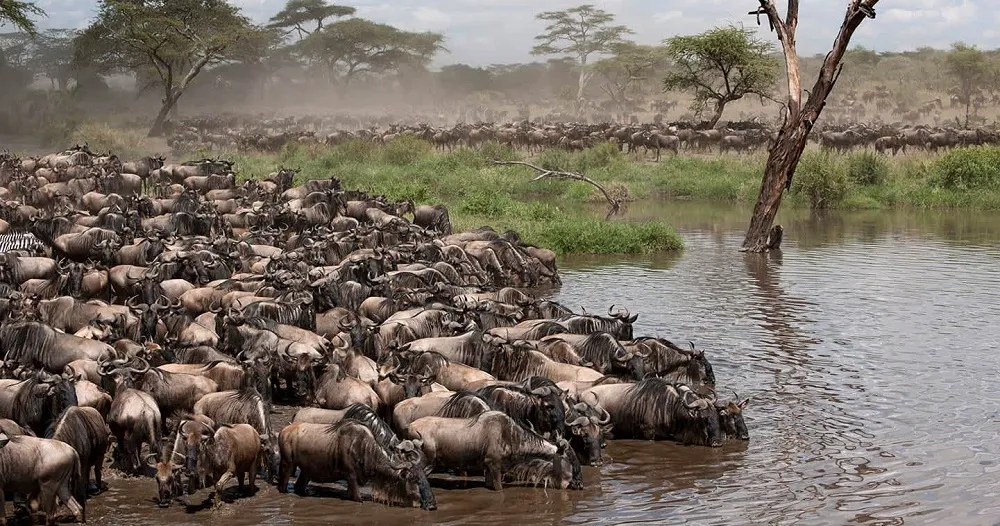
- Home to the Great Migration for most of the year
- The best lodge, road, and airstrip infrastructure in the country
- Reachable via Arusha or Kilimanjaro International Airport
Everything you need to plan the right safari: the parks worth your time, the Northern and Southern circuits compared, ready-made itineraries, the best months to travel, honest pricing, and what to pack. Updated for the 2026/2027 season.
What a Tanzania safari is
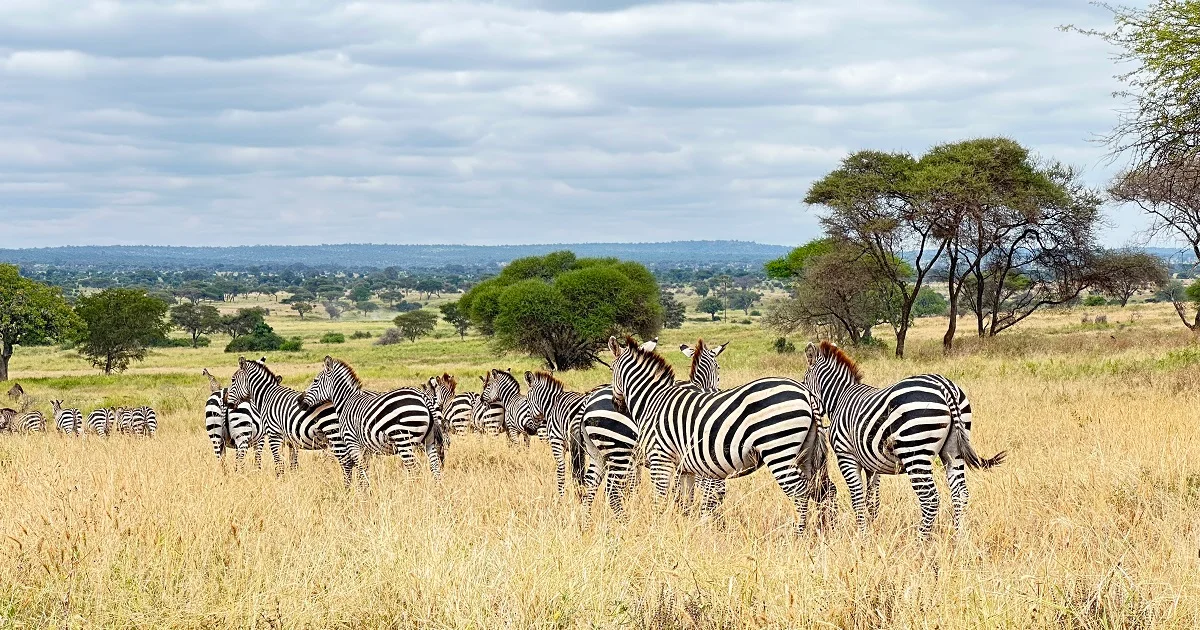
Tanzania holds more protected wilderness than almost any country on earth — roughly a third of its land area is set aside as national parks, game reserves, and conservation areas. That includes the Serengeti's endless plains, the Ngorongoro Crater's sealed-in ecosystem, and vast southern wildernesses like Nyerere and Ruaha that see a fraction of the visitors.
A safari here isn't one fixed itinerary. It can be a tight four-day loop north of Arusha, a classic six-day circuit through the Serengeti, an eight-day migration safari timed to a specific month, or a walking safari through the largely untouched south. The right one depends on how much time you have, what you want to see, and how much company you're comfortable sharing it with.
Nearly every first-time visitor safaris in the north, where the wildlife density and infrastructure are unmatched. The south and west are less visited, harder to reach, and reward travellers who already know what they're looking for. Both are covered in detail below.
Weighing it up
Tanzania rewards travellers who can give it a handful of days and a realistic budget. Here's how to know if it's the right country for your trip.
Choose your region
Almost every safari in Tanzania falls into one of these two regions. Most first-time visitors choose the north; repeat visitors and those chasing solitude often choose the south.
Where to go
Six parks account for most safaris in the country. Each has its own character — pick based on what you most want to see.
Endless plains and the year-round stage for the Great Migration. Tanzania's most famous park, and for good reason.
Read the park guide →A sealed volcanic caldera with one of the densest concentrations of wildlife on the continent, visible in a single day.
Read the park guide →Ancient baobabs and Tanzania's largest elephant herds, gathered along the Tarangire River through the dry season.
Read the park guide →A compact park known for tree-climbing lions, flamingo-lined shores, and a lush groundwater forest — an easy add-on day.
Read the park guide →Formerly part of the Selous Game Reserve — Africa's largest protected wilderness, with boat safaris on the Rufiji River.
Read the park guide →Tanzania's largest national park and one of its wildest, with rugged baobab country and very few other vehicles in sight.
Read the park guide →Choose your itinerary
Three of our most-booked itineraries, from a tight long weekend to a full migration safari. Every trip can be tailored to your dates and budget.
When to go
| Months | Conditions | Rating | Notes |
|---|---|---|---|
| Jun – Oct | Dry, peak season | Excellent | Thin vegetation, animals gathered at water; river crossings in the north Serengeti Jul–Sep |
| Nov | Short rains | Good | Brief afternoon showers, migration moves south, quieter camps |
| Dec – Mar | Dry, calving season | Excellent | Wildebeest calving on the southern Serengeti plains in Feb; warm and mostly dry |
| Apr – May | Long rains | Low season | Heaviest rainfall, some camps close, lowest prices of the year |
How to travel
Accommodation is the single biggest lever on price. A camping safari means participating crew-run mobile camps with shared facilities; a lodge safari means fixed-roof properties inside or bordering the parks; a luxury tented safari means high-end permanent or semi-permanent camps with private guiding and premium service.
None of these change what you see on a game drive — the wildlife is the same regardless of tier. What changes is comfort, privacy, and the level of service around the drives themselves.
Shared dome tents and basic facilities, set up and taken down by a mobile crew. The most affordable way to see the same parks.
Fixed-roof rooms with en-suite bathrooms, restaurants, and pools. The most common mid-range choice for first-time visitors.
Premium canvas suites, private guiding, and locations deep inside the parks rather than on their edges.
What it costs
Prices are per person, per day, based on a group of two travelling together. All tiers include park fees, a guide and 4x4 vehicle, and full board meals.
Shared camping, group departures where available, good value for first safaris.
Comfortable lodges or permanent tented camps, private vehicle, flexible dates.
Premium camps, private guiding, light-aircraft transfers between regions.
Not included in any tier: international flights, the Tanzania tourist visa (approx. $50), travel and medical insurance, and gratuities for your guide and camp staff (approx. $20–25 per traveller, per day, as a general guideline).
Preparation
Safari packing is simple: neutral colours, layers for cool mornings and hot afternoons, and good optics. No camouflage clothing is needed and it's restricted in some countries nearby.
Make it a bigger trip
Most of our clients pair their safari with a second experience. Flights between Arusha, Kilimanjaro, and Zanzibar are short, so it rarely costs more than a day or two of extra travel.


In their words
"Six days, four parks, and we still felt unrushed. Our guide seemed to know exactly where every animal would be before we got there."
"We watched a river crossing on day five that I still think about. Timing the trip to the migration made every difference."
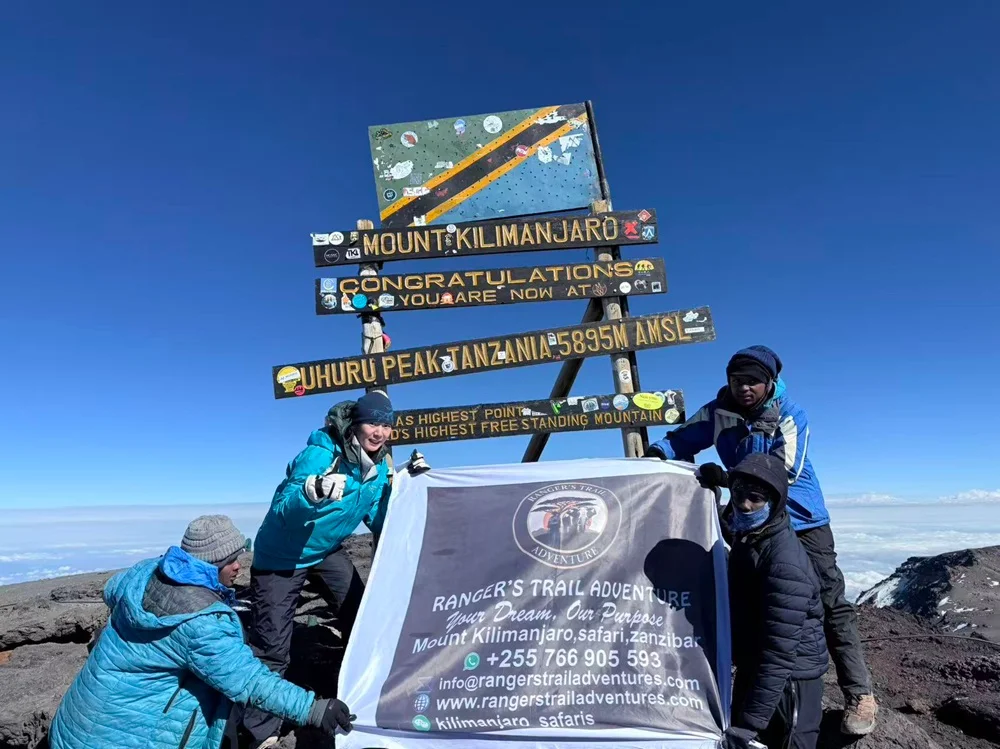
"We combined Kilimanjaro with a four-day safari after and it was the right call — completely different, equally unforgettable trip."
Expert answers


Tell us your dates and priorities and we'll help you choose between the 4-day, 6-day, and 8-day itineraries — no payment required to enquire.