★★★★★
"We nearly skipped Lake Eyasi to save a day, and it would have been the biggest mistake of the whole trip. Walking with the Hadzabe at sunrise was unlike anything else on our safari."
CAROLINE B. — UNITED KINGDOM · AUGUST VISIT
Most travelers pass through Karatu on the way to Ngorongoro Crater without a second thought — but this small coffee-farming town is also the closest base for Lake Eyasi's Hadzabe and Datoga communities, Lake Manyara's tree-climbing lions, and Gibb's Farm's historic coffee estate. Here's the complete guide. Updated for the 2026/2027 season.
Welcome to Karatu
Karatu sits at around 1,500 metres, the last significant town before the road climbs to the Ngorongoro Crater rim, and it's grown into a genuine gateway hub — lodges, coffee farms, and safari logistics all cluster here on the approach to one of Africa's most famous wildlife destinations.
Beyond the crater itself, Karatu is the closest base for two of northern Tanzania's most distinctive cultural encounters: the Hadzabe, one of the last hunter-gatherer communities in East Africa, and the Datoga, known for traditional blacksmithing, both around nearby Lake Eyasi. Lake Manyara National Park, famous for tree-climbing lions, is also a short drive away, as is Gibb's Farm, a century-old coffee estate open for tours and dining.
It works well as an overnight stop before or after Ngorongoro Crater, as a base for the Lake Eyasi cultural encounters that most Serengeti-only itineraries skip, and for travelers wanting to slow down in a genuine farming town rather than a purely tourist-facing one.
The best things to do
Every card below links through to the full details for that activity — tap any one to see itinerary, pricing, and booking.
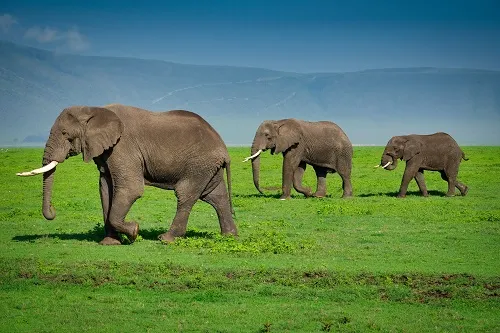
Karatu sits right at the crater's doorstep — an early departure gets you down onto the caldera floor for lion, elephant, rhino, and flamingo-lined lakes before the midday crowds.
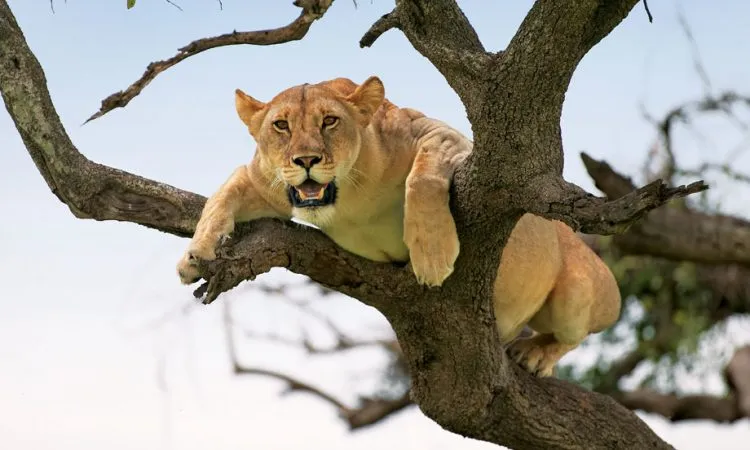
Famous for its rare tree-climbing lions, plus flamingo-lined shores and dense forest along the lake's edge — a compact, scenic park easily combined with a Karatu overnight.
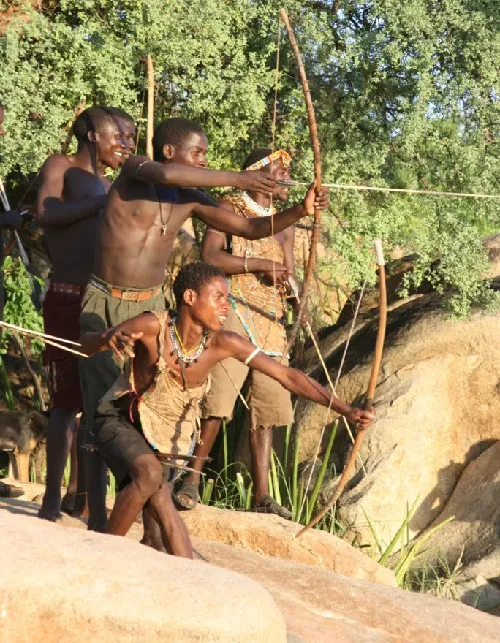
Join a Hadzabe hunting party at dawn, one of the last click-speaking hunter-gatherer communities in Africa, for an early-morning walk that offers a genuinely different perspective on the region.
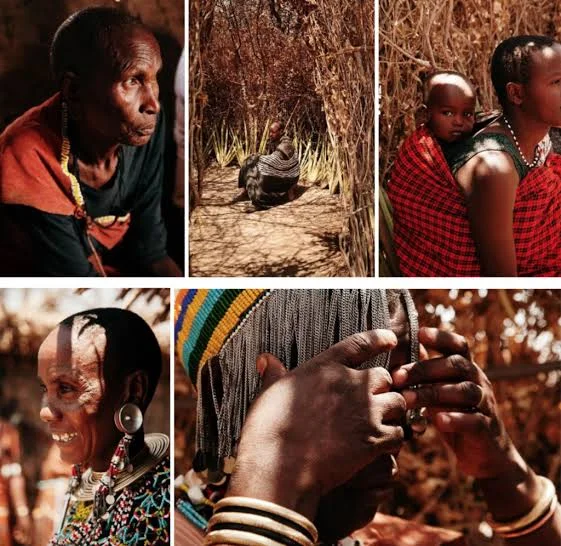
Watch traditional blacksmiths near Lake Eyasi forge tools and jewelry using techniques passed down through generations, and learn about Datoga pastoral life and homestead structure.
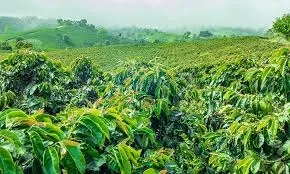
Karatu's local Iraqw people historically built defensive underground cave homes — visit a preserved example and learn about the community's farming traditions with a local guide.
A century-old coffee and produce estate just outside town — tour the plantation and organic gardens, and stop for a meal built almost entirely from what's grown on site.
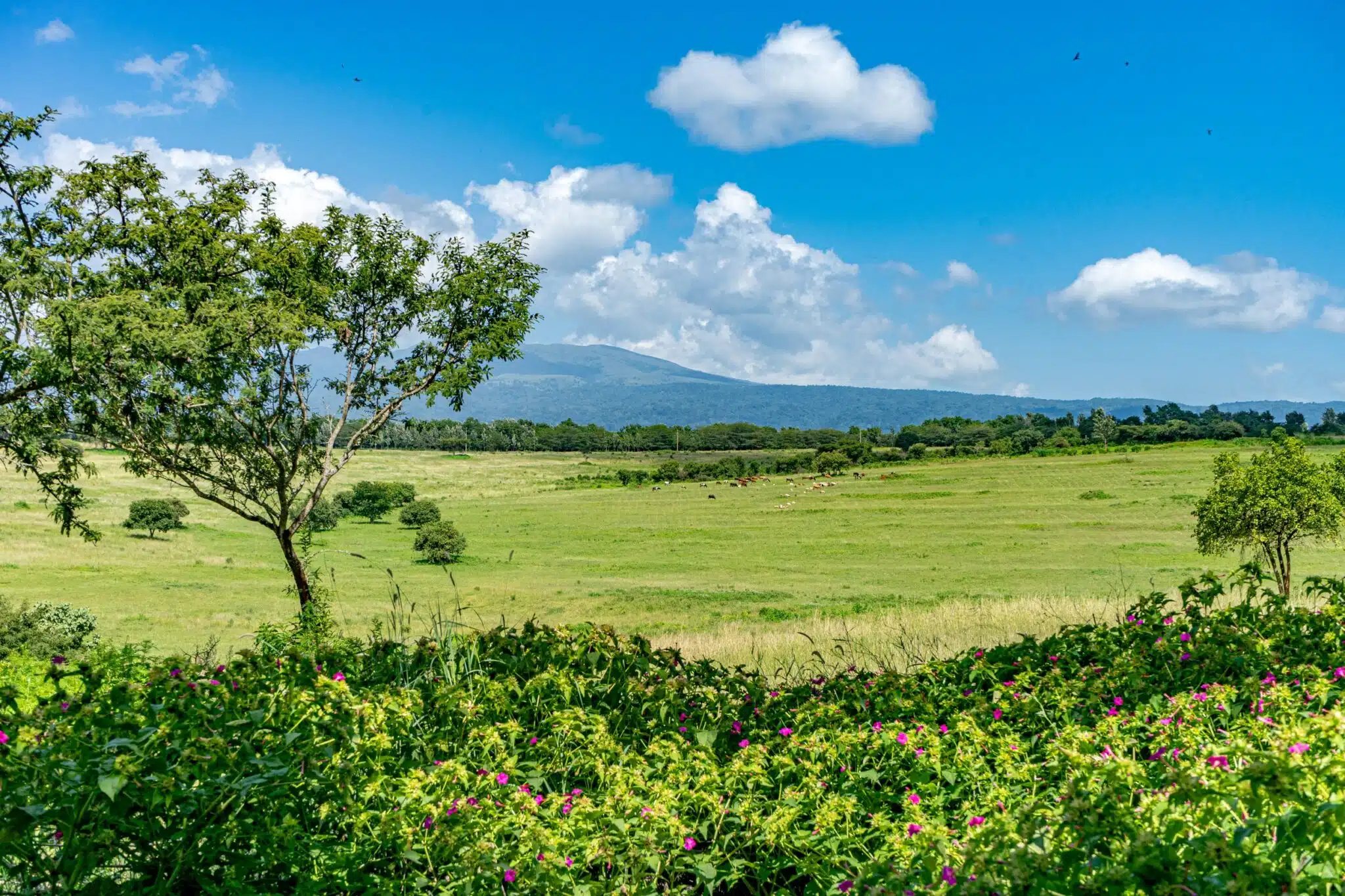
A guided walk along sections of the crater rim with sweeping views down onto the caldera floor — a good option for travelers wanting the view without a full day-long crater descent.
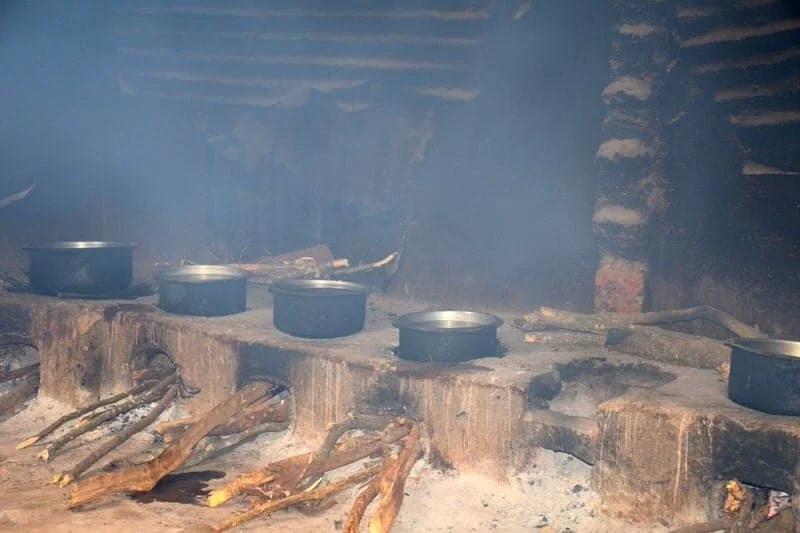
A quiet wetland area just outside Karatu, good for spotting cranes, herons, and a wide range of resident and migratory birds without the crowds of the bigger parks.
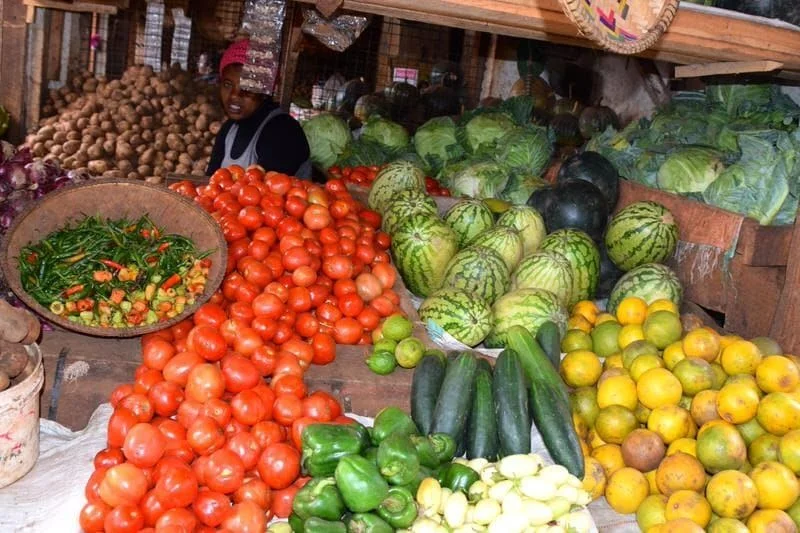
A community-run tourism program taking visitors through the town market, local farms, and a school, with proceeds directly supporting the community program itself.
Beyond the town
Karatu's whole reason for existing is its position between Arusha and Ngorongoro, and the crater remains the obvious highlight — most lodges can have you on the caldera floor within an hour of departure. Lake Manyara, in the opposite direction, adds tree-climbing lions and a very different, forested landscape to the same general area.
Lake Eyasi, roughly an hour southwest, is the region's most distinctive cultural day trip, and pairs naturally with a Datoga blacksmith visit on the same outing since both communities live around the same lake basin.
~30–45 min to the gate. The region's headline wildlife experience, reached faster from Karatu than anywhere else.
~45 min away. Tree-climbing lions, flamingos, and dense groundwater forest.
~1 hr away. Hadzabe and Datoga cultural encounters, the region's most distinctive day trip.
Culture and coffee around Karatu
Karatu sits at a genuine cultural crossroads — Iraqw farmers, Hadzabe hunter-gatherers, and Datoga pastoralists all live within an hour of town, alongside a working coffee economy.
| Experience | Duration | What it involves | Best for |
|---|---|---|---|
| Hadzabe hunting walk | Half or full day | Early-morning walk with one of Africa's last hunter-gatherer communities | Travelers wanting a genuinely rare cultural encounter |
| Datoga blacksmith visit | 2–3 hrs | Traditional metalworking demonstration and homestead visit | Combine with Hadzabe walk on the same day |
| Iraqw cave house tour | 2–3 hrs | Local history and traditional underground housing near Karatu itself | Shorter time budgets, close to town |
| Gibb's Farm coffee tour | 2–3 hrs | Historic coffee estate tour, organic gardens, farm-to-table dining | Coffee enthusiasts, relaxed half-day |
Planning your visit
Karatu is roughly a two-hour drive from Arusha and is almost always visited as part of an organized safari itinerary. The nearest international airport is Kilimanjaro International Airport (JRO), about three hours away.
Late June through October and late December through February bring the most comfortable travel conditions and the best wildlife viewing in Ngorongoro Crater and Lake Manyara.
Most accommodation sits either in Karatu town itself or on coffee estates just outside it; higher-end lodges cluster closer to the crater rim for shorter morning transfers.
Tanzanian shillings are standard for local purchases; US dollars are widely accepted for tours, park fees, and lodge bills. Cash is more useful here than in larger towns — ATMs are limited.
In their words
"We nearly skipped Lake Eyasi to save a day, and it would have been the biggest mistake of the whole trip. Walking with the Hadzabe at sunrise was unlike anything else on our safari."
"Staying in Karatu instead of right at the crater rim saved money without costing us any time — we were down on the caldera floor by 7am."
"Gibb's Farm was a genuinely lovely stop between game drives — the coffee tour and lunch felt like a proper break from the safari pace, not just another activity."
Expert answers
Tell us how many days you have and what you're most interested in, and we'll put together a plan around Karatu — as a standalone stop or part of a wider safari.