 Longest
· Highest success
Longest
· Highest successNorthern Circuit Route
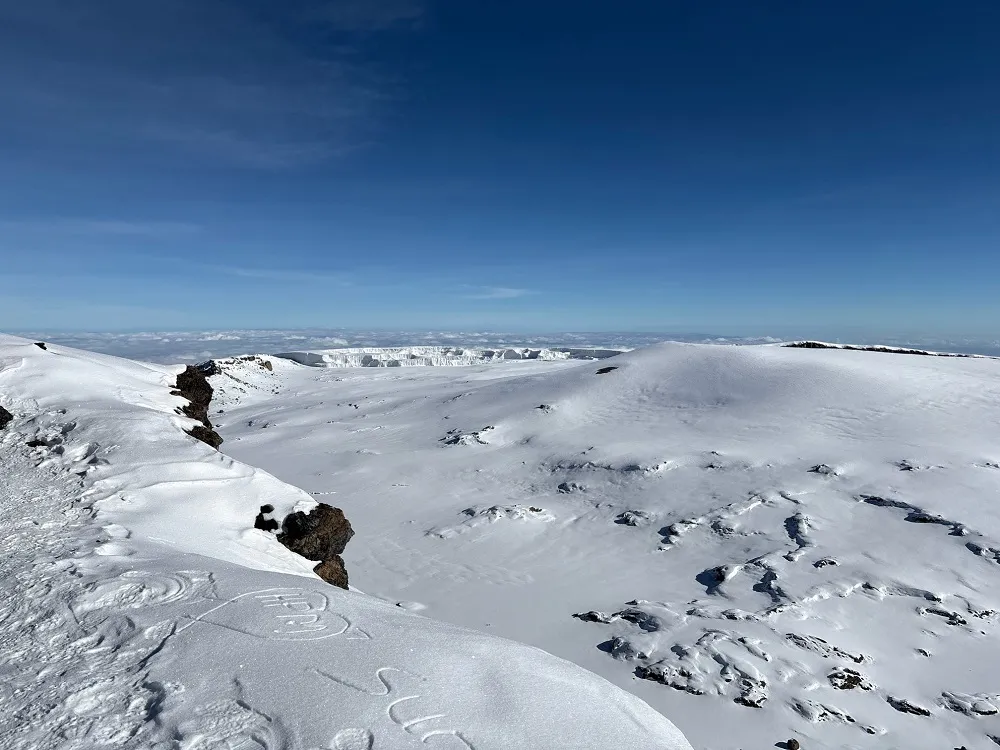
The longest and quietest route, almost circling the mountain. The highest summit success rate of any itinerary.
Read the route guide →Everything you need to plan your climb: every route compared side by side, our most popular packages, difficulty and fitness requirements, the best months to go, honest pricing, and what to pack. Updated for the 2026/2027 season.
What climbing Kilimanjaro involves
At 5,895 metres, Kilimanjaro is the highest point in Africa and the tallest free-standing mountain in the world — not part of any range, rising straight out of the Tanzanian plains. No technical climbing skills are required on any of its official routes: no ropes, no ice axes, no scrambling. What it demands instead is sustained walking at high altitude, day after day, which is exactly why the route and itinerary length you choose matters so much.
Seven official routes reach the summit, each with its own scenery, crowd levels, difficulty, and — critically — a different summit success rate. Below, we break down every route, our most popular ready-made packages, and everything else you need to plan the climb properly.
More than fitness, more than the route's steepness, the number of days you spend acclimatizing before summit night is the single biggest predictor of whether you'll reach Uhuru Peak. That's why our comparison table below leads with duration and success rate first.
Choose your path up
Every route reaches the same summit. What differs is scenery, crowding, difficulty, and how many days you get to acclimatize.
Longest
· Highest successThe longest and quietest route, almost circling the mountain. The highest summit success rate of any itinerary.
Read the route guide →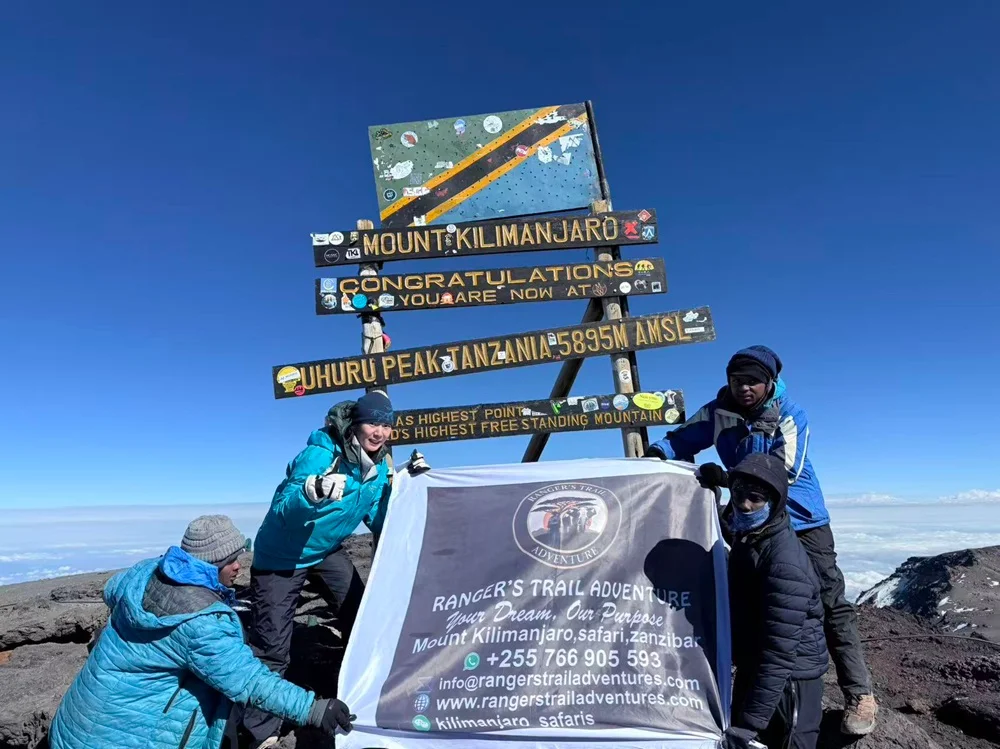 Most scenic
Widely rated the most scenic route on the mountain, crossing the wild Shira Plateau with excellent acclimatization.
Read the route guide →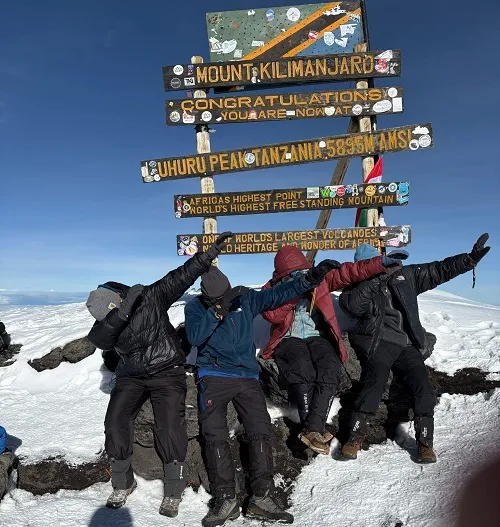 Most popular
Kilimanjaro's most climbed route — steep, scenic, and sociable, including the famous Barranco Wall scramble.
Read the route guide →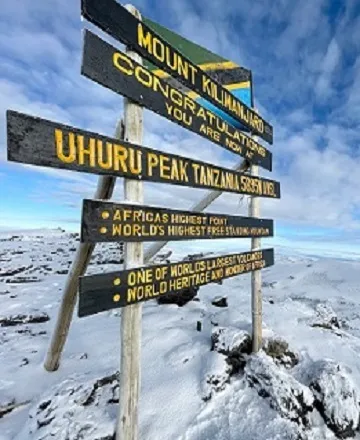 Only northern
approach
Only northern
approachThe only route approaching from the north — drier, quieter, and gentler than the busy southern routes.
Read the route guide →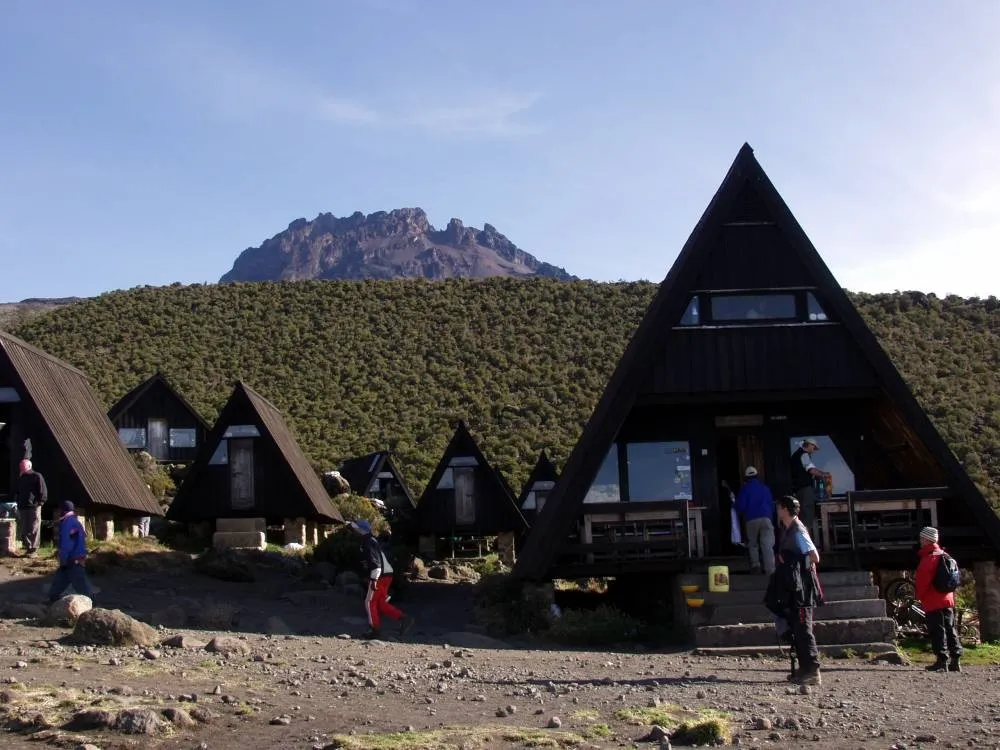 Only hut-based
route
Only hut-based
routeThe gentlest gradient and the only route with sleeping huts instead of tents but the lowest success rate.
Read the route guide → Steepest &
quietest
Steepest &
quietestThe steepest and most direct route up, with the fewest climbers on the trail — best suited to experienced trekkers.
Read the route guide →Ready-made trips
Four of our most-booked climbs, ranging from a shorter budget-friendly route to the longest, highest-success itinerary on the mountain. Every package can be tailored to your dates and comfort level.
 6 Days · Marangu
7 Days · Machame
6 Days · Marangu
7 Days · Machame
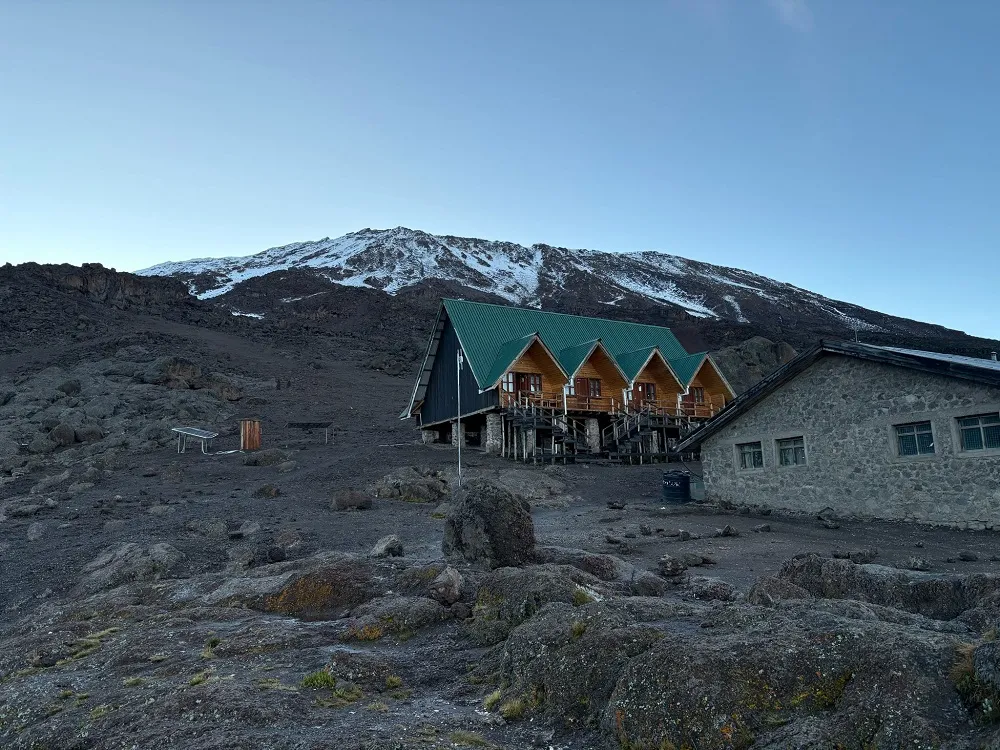 8 Days · Lemosho
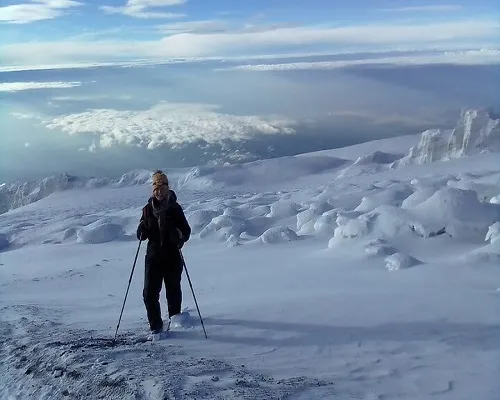 9 Days · Northern Circuit
Route intelligence
Duration is the strongest predictor of summit success. Use this table alongside the route cards above to shortlist your climb.
| Route | Duration | Success rate | Character | Crowding |
|---|---|---|---|---|
| Northern Circuit | 9–10 days | 95%+ | Longest, near-complete circuit of the mountain | Very low |
| Lemosho | 7–8 days | 85–95% | Most scenic, quiet start | Low, first days |
| Rongai | 6–7 days | 70–83% | Only northern approach, dry | Low |
| Machame | 6–7 days | 65–85% | Steep, scenic, busy | High |
| Umbwe | 6 days | 55–65% | Steepest, most direct, quiet | Lowest of any route |
| Marangu | 5–6 days | 45–65% | Only hut-based route | Moderate |
| Shira | 7–8 days | 75–90% | High-altitude start via vehicle | Low |
How hard is it
None of Kilimanjaro's standard routes are technically difficult — no scrambling beyond the short Barranco Wall section on southern routes, no ropes, and no climbing gear required anywhere on the mountain. No prior high-altitude experience is necessary.
The real demand is altitude, not terrain. Summit night alone can run 6 to 8 hours of steep walking in the dark and cold, on top of days of accumulated fatigue. We recommend building hiking stamina with multi-hour walks over uneven terrain for two to three months before your climb, regardless of which route you choose.
None on any standard route — no ropes, ice axes, or scrambling gear required.
Altitude, not terrain. More acclimatization days consistently raise summit odds more than fitness alone.
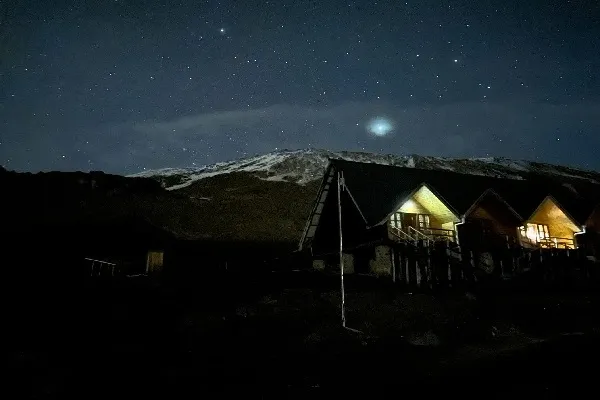
The hardest single stretch on every route — a long, cold, steep push starting around midnight.
When to climb
| Months | Conditions | Rating | Notes |
|---|---|---|---|
| Jan – Mar | Dry, cold summit | Excellent | Clear skies, colder nights, fewer climbers |
| Apr – May | Long rains | Avoid | Heaviest rainfall, low visibility, muddy trails |
| Jun | Drying out | Good | Transitional — trails firming, fewer crowds |
| Jul – Oct | Dry, peak season | Excellent | Clearest views; the most popular climbing months of the year |
| Nov | Short rains | Fair | Brief afternoon showers, very quiet, lush |
| Dec | Drying out | Good | Holiday season, conditions improving |
What it costs
Prices reflect the shortest to longest standard routes. All tiers include park fees, camping or hut fees, crew wages, and full board meals on the mountain.
Quality 3-season dome tents or huts, shared. Full guide and porter crew, KPAP fair-wage standard.
Larger tents, private toilet tent, hot water daily, extra summit-night support.
Fully private group, dedicated crew, dining tent, flexible start dates.
Not included in any tier: international flights, the Tanzania tourist visa (approx. $50), travel and medical evacuation insurance, personal gear, and crew tips (approx. $200–400 per climber, pooled, depending on route length).
Preparation
Temperatures span 30°C at the gate to -20°C on summit night, regardless of which route you climb. Pack in layers and prioritize summit-night warmth above all else.
Beyond the summit
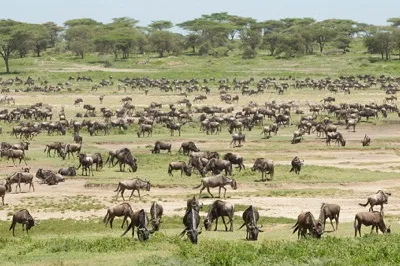
In their words
"We went with 7-day Machame on our guide's advice instead of the cheaper 6-day option, and it made every difference on summit night. Worth every extra dollar."
"Nine days on the Northern Circuit sounded excessive until we were on it. We felt strong at the summit in a way I don't think would've happened on a shorter route."
"Lemosho's Shira Plateau crossing was the most beautiful day of hiking either of us had ever done, and we still made the summit together."
Expert answers
Tell us your dates and fitness level and we'll help you choose the right route and package — no payment required to enquire.