Kilimanjaro National Park, TanzaniaHighest Success Rate Route
8 Days Lemosho Route Kilimanjaro Climb
Cross five climate zones — rainforest, moorland, alpine desert, arctic summit — on the route
mountain guides recommend most. One extra acclimatization day at Barranco means Lemosho climbers reach Uhuru
Peak at a 92%+ success rate, well above the 5- and 6-day routes.
8 Days / 7 Nights5,895 m Summit92%+ Success RateNo technical climbing
387 verified Kilimanjaro climbersTripAdvisor · Google · Booking.com
92%+
Summit success
5
Climate zones
1:2
Guide-to-climber ratio
15+
Years guiding
The route, mapped
Elevation Profile — Why the Extra Day Matters
The Lemosho Route gains altitude gradually and includes a "climb high, sleep low"
acclimatization loop through Barranco and Karanga before the summit push — the single biggest factor behind its
success rate.
Day 1
Lemosho Gate → Mti Mkubwa
2,100 → 2,835 m
Day 2
Mti Mkubwa → Shira 1
2,835 → 3,505 m
Day 3
Shira 1 → Shira 2
3,505 → 3,850 m
Day 4
Lava Tower → Barranco
4,630 → 3,960 m
Day 5
Barranco → Karanga
3,960 → 4,035 m
Day 6
Karanga → Barafu
4,035 → 4,673 m
Day 7
Summit → Mweka
5,895 → 3,100 m
Day 8
Mweka → Gate
3,100 → 1,640 m
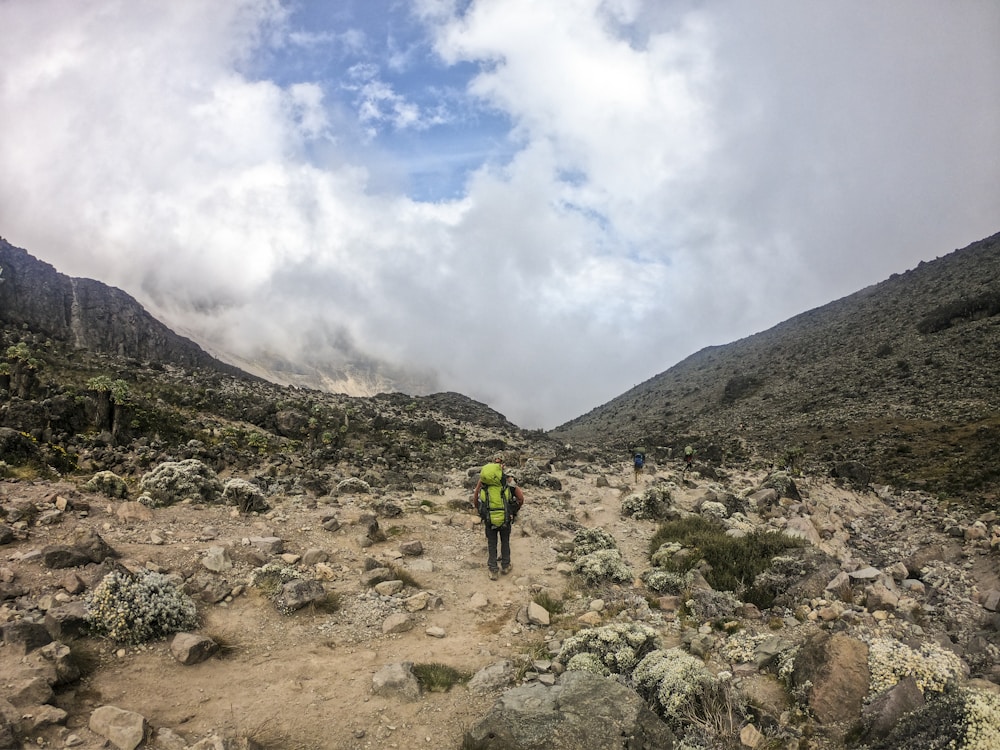
Lemosho Route · Shira Plateau
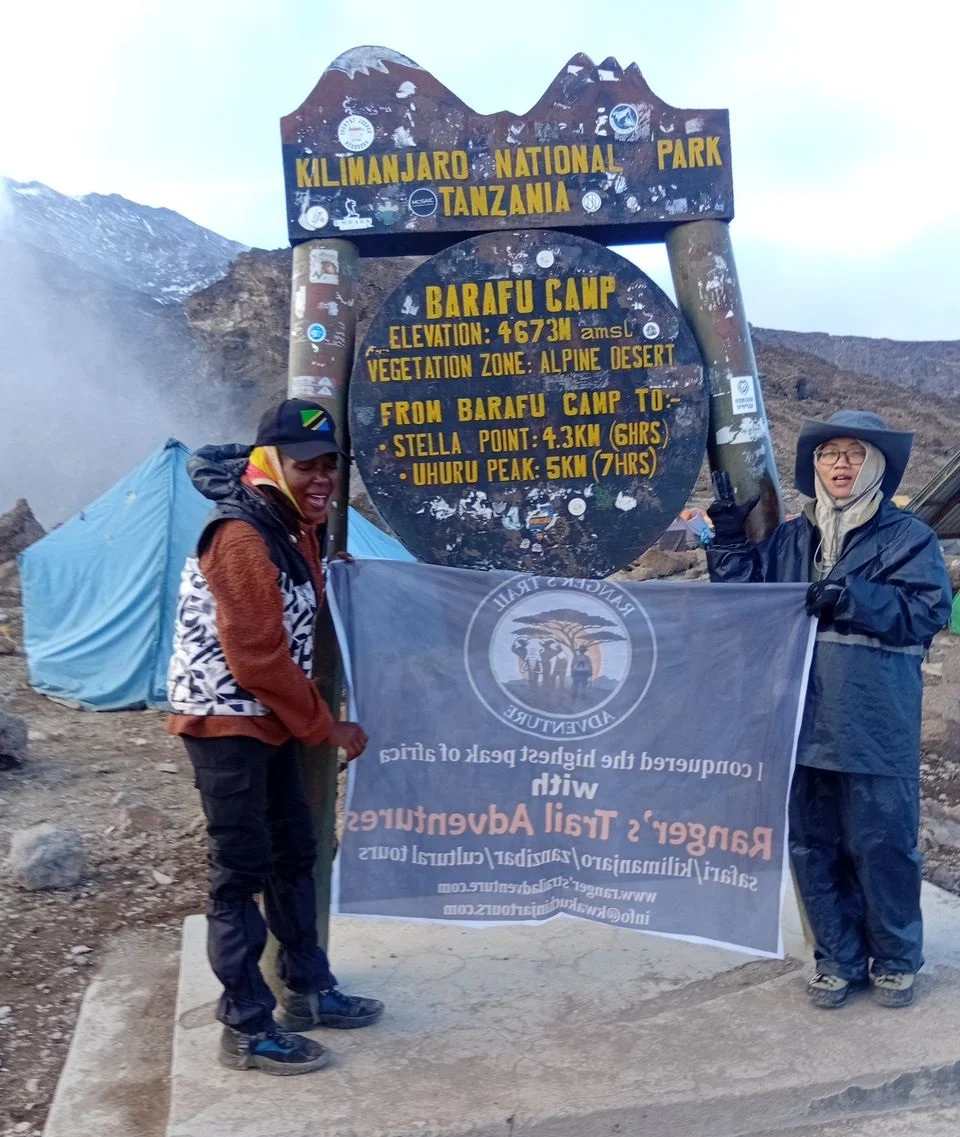
Barafu Camp · Sunrise
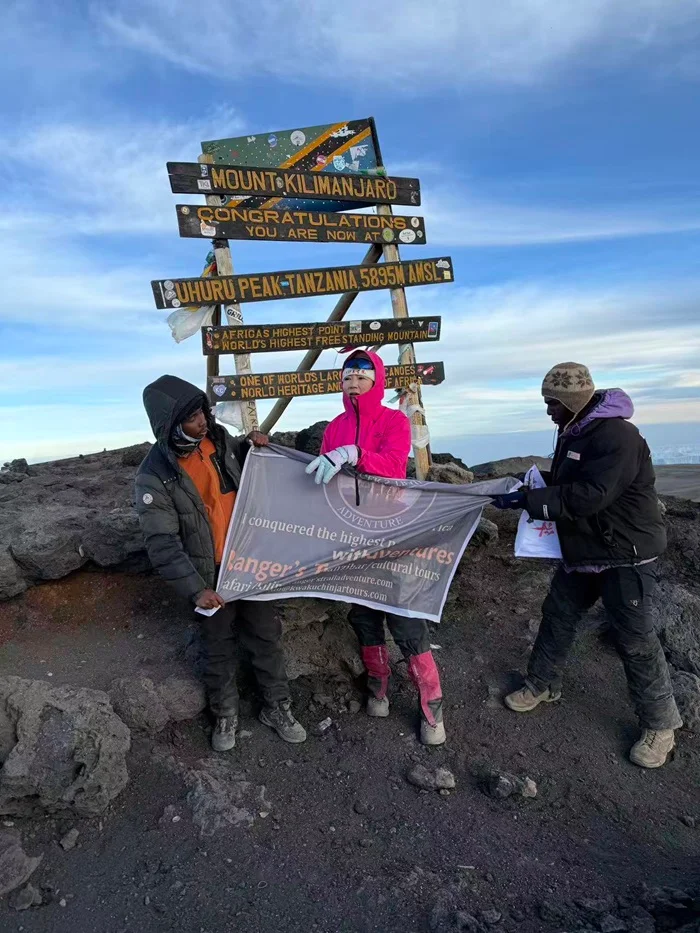
Uhuru Peak · 5,895 m
70 km
Total trekking distance
5,895 m
Uhuru Peak altitude
92%+
Our summit success rate
5
Climate zones crossed
Route Overview
The Route Guides Recommend Most
The Lemosho Route starts on Kilimanjaro's remote western side, near the Tanzania-Kenya border, and
approaches the summit from the south — the same final push as the Machame Route, but with two extra days
built into the early stages. That difference is the whole story: more time spent between 3,500 and 4,000
metres before the summit night means your body has genuinely adapted, not just survived.
Our 8-day itinerary is the version of Lemosho we recommend to almost every climber, first-timer or
experienced trekker. It keeps the acclimatization loop through the Southern Circuit via Barranco and
Karanga intact, avoids the compressed 6- and 7-day variants that push too much altitude gain into too few
days, and still fits comfortably into a nine or ten day trip from most departure cities.
Because it starts further from the crowded Machame Gate corridor, Lemosho also sees noticeably fewer
climbers on its first three days — the trail through Shira Plateau's rolling moorland is often nearly
empty, a genuine rarity on Kilimanjaro during peak months.
Why Lemosho outperforms shorter routes
Altitude sickness on Kilimanjaro is driven almost entirely by ascent speed, not fitness. The 8-day
Lemosho itinerary spreads the 3,755 m of net elevation gain across seven days of trekking instead of
four or five, giving your body time to increase red blood cell production and adjust breathing rate.
This is the single largest lever a climber can pull to improve their odds of reaching Uhuru Peak.
Five climate zones in eight days
You'll pass through montane rainforest (day 1), moorland and heath (days 2-3), alpine desert (days
4-6), and arctic summit zone (day 7) — a vertical journey equivalent to walking from the equator to
the Arctic Circle in under a week. Each zone has a distinct ecosystem, and your guide will point out
the vegetation and wildlife markers of the transition.
Camping standard: from standard to premium
All packages use mountain camping — Kilimanjaro has no huts on the Lemosho side. Our Standard package
uses quality 3-season dome tents shared two-to-a-tent; Comfort upgrades to larger tents and a private
toilet tent; Private Premium adds a dining tent, private crew, and thicker sleeping mats for every
climber.
Every Kilimanjaro route reaches the same summit —
what differs is how much time your body gets to acclimatize along the way, and that difference shows up
directly in success rates.
Route
Duration
Approx. Success Rate
Scenery
Crowding
Lemosho (8 days)
8 days
92%+
Most varied — 5 zones, low-traffic start
Low (first 3 days)
Machame
6-7 days
65-75%
Very good — steep, scenic
High
Marangu
5-6 days
~45%
Least varied — same trail up/down
Moderate
Rongai
6-7 days
70-75%
Quiet, dry, northern side
Low
Northern Circuit
9 days
95%+
Most complete circuit of the mountain
Very low
Success rates are approximate industry
figures based on multi-day, multi-route operator data and vary by operator itinerary, group fitness, and
season.
Day-by-Day Programme
8-Day Lemosho Route Itinerary
After registration at Lemosho Gate, a short drive brings you to the Lemosho
trailhead at Mti Mkubwa ("Big Tree"). The first day's walk climbs gently through dense montane
rainforest — look for black-and-white colobus monkeys and turaco birds in the canopy.
08:00
Pickup from Moshi hotel
Meet your guide and crew. Drive approximately 3.5 hours to Lemosho Gate for
registration and park fee processing.
12:30
Begin trek at the Lemosho trailhead
A short drive from the gate reaches the actual start point. Gentle rainforest
trail with a packed-earth path underfoot.
16:30
Arrive Mti Mkubwa Camp
Camp set up by the crew ahead of arrival. Dinner and briefing on tomorrow's
moorland transition.
The trail exits the rainforest and climbs into heath and moorland — heather, giant
lobelia, and open views back toward Mount Meru on clear mornings. The trail emerges onto the vast
Shira Plateau, a collapsed volcanic caldera dating back 500,000 years.
07:00
Depart Mti Mkubwa after breakfast
Steady climb through heath vegetation zone with occasional scrambling sections.
12:00
Lunch break on the Shira ridge
First open views across the Shira Plateau — a genuinely rare Kilimanjaro
landscape most climbers on other routes never see.
15:00
Arrive Shira 1 Camp
Camp on the plateau edge. Kibo summit visible on clear evenings.
A shorter, easier day crossing the Shira Plateau eastward toward the Kibo massif. The
relatively gentle altitude gain gives your body a critical adjustment window before the steeper days
ahead.
08:00
Cross the Shira Plateau
Gentle, rolling terrain with volcanic rock formations. Guide points out endemic
plant species adapted to the alpine desert transition.
13:00
Arrive Shira 2 Camp early
Afternoon free for rest, short acclimatization walks, and photography. Full
views of Kibo's southern glaciers.
Kibo glacier viewsAlpine desert transition
The textbook "climb high, sleep low" day. The trail rises to Lava Tower at 4,630 m —
higher than the final Barafu camp itself — for lunch, before descending 670 metres into the lush
Barranco Valley. This single day does more for your summit odds than any other on the mountain.
07:30
Climb toward Lava Tower
A steady, rocky ascent into alpine desert. Thinning air is noticeable — pace
deliberately slows.
12:00
Lunch at Lava Tower (4,630 m)
A volcanic plug rising 90 metres above the surrounding terrain. This is the
acclimatization peak of the entire climb before summit night.
16:00
Descend into Barranco Camp
Dramatic descent past giant senecio plants into the sheltered Barranco Valley,
camped beneath the imposing Barranco Wall.
Lava Tower 4,630mGiant senecioBarranco Wall view
The famous Barranco Wall — a 257-metre scramble that looks intimidating from camp but
is a straightforward hands-on-rock climb, no technical gear required. The rest of the day undulates
across ridges and valleys of the Southern Circuit toward Karanga.
07:00
Scramble the Barranco Wall
A 1-2 hour scramble with hands-on-rock sections. Guides assist at exposed
points. No climbing experience needed.
11:00
Cross the Karanga Valley
Undulating ridge-and-valley terrain with excellent views of the summit
glaciers.
14:00
Arrive Karanga Camp
Short day allows rest and hydration ahead of tomorrow's push to Barafu.
Barranco Wall scrambleKaranga Valley
A short, deliberately easy trekking day to Barafu ("Ice") Camp, the final base before
the summit push. The afternoon is for rest, gear checks, an early dinner, and sleep before an
11pm–midnight wake-up call.
08:30
Short trek to Barafu Camp
Alpine desert terrain, barren and rocky. First direct views of the summit route
ahead.
14:00
Rest, briefing, and gear check
Guide reviews summit-night gear layering, headlamp checks, and timing. Early
dinner around 17:00.
19:00
Sleep before midnight wake-up
Attempt to rest even if sleep doesn't come easily — the body still benefits
from lying down.
Summit route viewsGear check briefing
The day the whole itinerary has been building toward. A midnight departure under
headlamp light climbs steep scree switchbacks to Stella Point on the crater rim, then along the
glacier-lined path to Uhuru Peak for sunrise — Africa's highest point. A long descent all the way to
Mweka Camp follows the same day.
Why the extra acclimatization pays off here
This is the night altitude sickness bites hardest — temperatures drop below -15°C and oxygen is
roughly half of sea-level. Climbers who spent days 1-6 acclimatizing properly on Lemosho arrive at
this point with meaningfully better odds than those on compressed itineraries who are still
adjusting when summit night begins.
23:30
Wake-up, tea, and departure
Full layering system on. Slow, deliberate "pole pole" (slowly slowly) pace set
by the guide — this pace is deliberate, not a limitation.
06:00
Reach Stella Point, then Uhuru Peak
Stella Point (5,756 m) meets the crater rim; a further hour along the glacier
edge reaches Uhuru Peak (5,895 m) for sunrise photos at the summit sign.
10:00
Descend to Barafu, then continue to Mweka
Fast scree-running descent to Barafu for a rest and late breakfast, then
continue down through changing vegetation zones to Mweka Camp in the rainforest.
Uhuru Peak 5,895mStella PointSummit glaciersCrater rim views
A final, easy descent through rainforest to Mweka Gate, where you'll receive your
summit certificate. A short transfer returns you to your Moshi hotel by early afternoon — celebration
and a hot shower well earned.
08:00
Final descent to Mweka Gate
Muddy, root-covered rainforest trail. Noticeably warmer and more humid with
every hundred metres of descent.
11:30
Summit certificate presentation
Gold certificates for those who reached Uhuru Peak; green certificates for
those who reached Stella Point or Gillman's Point.
13:00
Transfer to Moshi hotel
End of climb services. Asante sana — thank you for climbing with us.
Summit certificateRainforest descent
Camping and Pricing
Choose Your Climb Package
All packages follow the identical 8-day Lemosho
itinerary. The tier determines camping equipment, crew ratio, and extra support.
Standard
Standard Camping
Quality 3-season dome tents
$2,450 / person (shared crew)
All Kilimanjaro National Park fees included
Certified, licensed mountain guide (1:2 ratio)
Quality 3-season dome tents, 2 per tent
All meals — full board on the mountain
Portable oxygen and pulse oximeter checks daily
Full porter and cook crew, fair wages
Airport transfers Moshi / Kilimanjaro (JRO)
Pre-climb briefing and gear check
Most Popular
Comfort
Comfort Camping
Larger tents, private toilet tent
$3,150 / person
Everything in Standard, plus:
Larger tents with more headroom, 2 per tent
Private toilet tent carried and set up daily
Thicker high-density sleeping mats
Hot water for washing every morning and evening
Extra snack and hydration support on summit night
Priority crew assigned to your group
Private / Premium
Private Premium
Dedicated crew, dining tent
$4,400 / person (private group)
Fully private group and dedicated guide team
Dining tent with table and chairs
Premium expedition tents, individual option available
1:1 guide-to-climber ratio available on request
Emergency evacuation insurance coordination support
Pre- and post-climb hotel nights in Moshi included
Flexible start dates, not tied to a group schedule
What is Covered
Inclusions and Exclusions
Included in all packages
Kilimanjaro National Park entry and camping fees
Rescue fees (mandatory park fee, all climbers)
Certified, English-speaking mountain guide
Full porter and cook crew, fairly waged per KPAP standards
All accommodation (7 nights camping) as per package tier
All meals — full board from Day 1 lunch to Day 8 lunch
Purified drinking water throughout the trek
Daily pulse oximeter and health monitoring
Airport transfers Moshi / Kilimanjaro (JRO)
Summit certificate
Not included
International flights to JRO / ARK airport
Tanzania tourist visa (approximately $50 USD online)
Personal travel and medical evacuation insurance
Personal climbing gear and clothing (checklist below)
Tips for guide, cook, and porters (approx. $250-350 per climber, pooled)
Extra hotel nights before or after the climb (Standard/Comfort)
Personal medications, including altitude sickness prophylaxis
Alcoholic and bottled soft drinks
Preparation
Essential Packing Checklist
Layering is the single most important packing
principle on Kilimanjaro — temperatures range from 30°C at the gate to -20°C on summit night. Full kit lists
and rental options are sent after booking.
Upper body layers
Moisture-wicking base layers (2-3)
Fleece or softshell mid-layer
Insulated down jacket, rated to -20°C
Waterproof, windproof outer shell
Fleece or wool beanie, sun hat
Liner gloves plus insulated mittens
Buff or neck gaiter
Lower body & feet
Waterproof, broken-in hiking boots
Moisture-wicking hiking socks (4-5 pairs)
Thermal sleeping socks
Waterproof hiking trousers
Fleece or thermal trousers for summit night
Gaiters (recommended)
Camp shoes or sandals
Gear & health
4-season sleeping bag, rated to -20°C
Headlamp with spare batteries
Trekking poles (strongly recommended)
2-3 litre water bladder or bottles
Daypack, 30-35 litres
High-SPF sunscreen and lip balm
Personal first-aid kit and prescribed altitude medication
When to Climb
Best Time to Climb Kilimanjaro by Month
Months
Conditions
Rating
Notes
Jan–Mar
Dry, cold summit
Excellent
Clear skies, colder nights, fewer climbers than July-Oct
Apr–May
Long rains
Avoid
Heaviest rainfall of the year, low visibility, muddy trails
Jun
Drying out
Good
Transitional — trails firming up, fewer crowds
Jul–Oct
Dry, peak season
Excellent
Most popular window, clearest views, busiest trails
"I'd read that Lemosho's extra day made a real difference and I was skeptical —
until I watched two friends on a 6-day Machame itinerary turn back at Barafu while our group summited
almost entirely intact. Worth every extra day."
8-Day Lemosho · September climb
★★★★★
Marco B. — Italy
"Standing at Uhuru Peak at sunrise, above the clouds, with glaciers on either side —
I still think about that hour most weeks. Our guide's pacing on summit night made the difference
between suffering and actually experiencing it."
8-Day Lemosho · February climb
★★★★★
Dr. Priya S. — United States
"The Shira Plateau days were the surprise highlight — nobody else around, just
rolling volcanic grassland with the summit glinting ahead. This route earns its reputation as the best
on the mountain."
8-Day Lemosho · July climb
Expert Answers
Frequently Asked Questions
The extra day is spent acclimatizing around the Barranco Wall and Karanga
Valley instead of rushing to the summit. Industry figures put 8-day Lemosho climbers at roughly
92-95% summit success, compared to about 45% on the 5-day Marangu
route and 65-70% on 6-day Machame, because slower ascent gives the body more time to
adjust to falling oxygen levels.
Lemosho is rated moderate in physical difficulty but is easier on the body
overall than shorter routes because of its gradual altitude gain. No technical climbing or prior
mountaineering experience is required — only a reasonable fitness level and the ability to hike 5-7
hours a day for multiple consecutive days. The Barranco Wall involves some hands-on-rock scrambling but
no ropes or climbing gear.
The two dry seasons — late June through October and
late December through mid-March — offer the clearest skies and most stable conditions.
The January-March window sees colder summit night temperatures but noticeably fewer climbers than the
July-October peak season.
Pricing on this itinerary starts at $2,450 per person for
the Standard Camping package and rises to $4,400 per person for a Private Premium
package with dedicated crew and upgraded camping equipment. All packages include park fees, camping
fees, crew wages, and full board meals on the mountain.
No technical mountaineering experience is required. What matters most is
cardiovascular fitness and mental resilience for the summit night. We recommend building up hiking
stamina with multi-hour walks over uneven terrain for 2-3 months before your climb, ideally with a
loaded daypack.
Your guide checks blood oxygen levels twice daily with a pulse oximeter and
is trained to recognize early symptoms of acute mountain sickness. Mild symptoms are managed with rest,
hydration, and pace adjustment; if symptoms escalate, guides are required to descend the climber
immediately, regardless of how close to the summit they are. This is a mandatory safety protocol, not a
judgment call left to the climber.