 Big cats
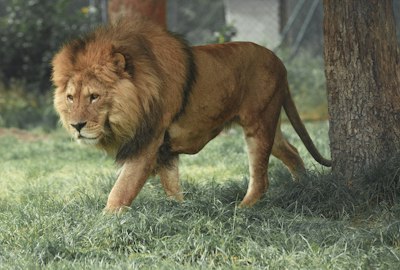
Lion
One of the highest lion densities anywhere in Africa, with several resident prides on the crater floor.
A sealed volcanic caldera roughly 20 kilometres across, holding one of the densest concentrations of wildlife anywhere on earth — including one of Tanzania's last populations of black rhino. Tours, wildlife, best time to visit, and everything you need to plan your day in the crater. Updated for the 2026/2027 season.
What the crater is
The Ngorongoro Crater is the collapsed caldera of what was once one of the tallest volcanoes on earth. Its floor sits roughly 600 metres below the rim and spans about 260 square kilometres — a self-contained world of grassland, swamp, forest, and soda lake, walled in on every side.
Because the crater walls largely contain its wildlife year-round, animals here don't need to migrate to survive. That containment is what produces the density Ngorongoro is famous for: it's genuinely possible to see lion, elephant, buffalo, hippo, and black rhino in a single morning's drive.
The crater sits inside the Ngorongoro Conservation Area, a UNESCO World Heritage Site that also protects the surrounding highlands, where Maasai communities continue to graze livestock alongside the wildlife — a rare example of a multiple land-use conservation model.
What you'll see
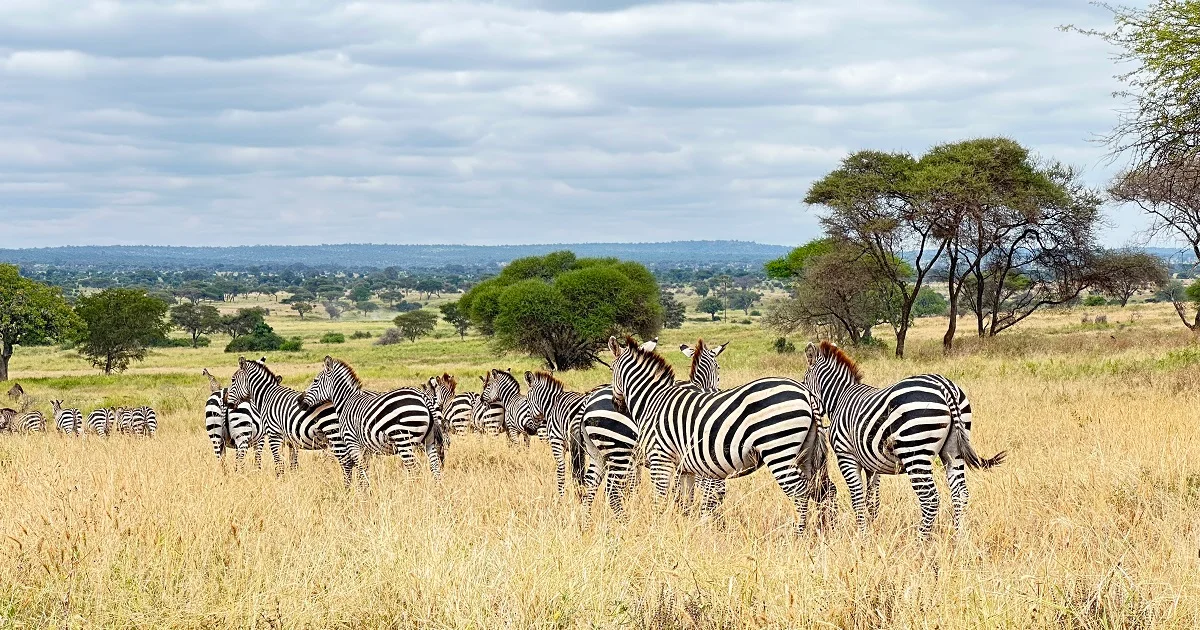
The crater floor holds resident populations of nearly every major species in East Africa, in an area small enough to see most of them in one visit.
Big cats
One of the highest lion densities anywhere in Africa, with several resident prides on the crater floor.
 Rare
sighting
Rare
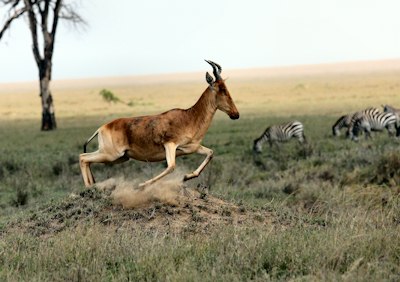
sightingOne of Tanzania's last strongholds for critically endangered black rhino, closely protected within the crater.
 Big tuskers
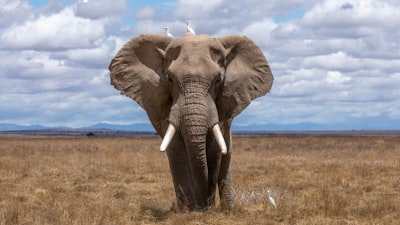
Mostly large resident bulls, some carrying tusks among the biggest left in East Africa.
 Birdlife
Flocks of flamingos gather on the alkaline Lake Magadi, alongside over 500 recorded bird species.
Choose your tour
The crater is rarely visited on its own — it's almost always paired with time in the Serengeti, Tarangire, or Lake Manyara. These itineraries all include a full crater day.
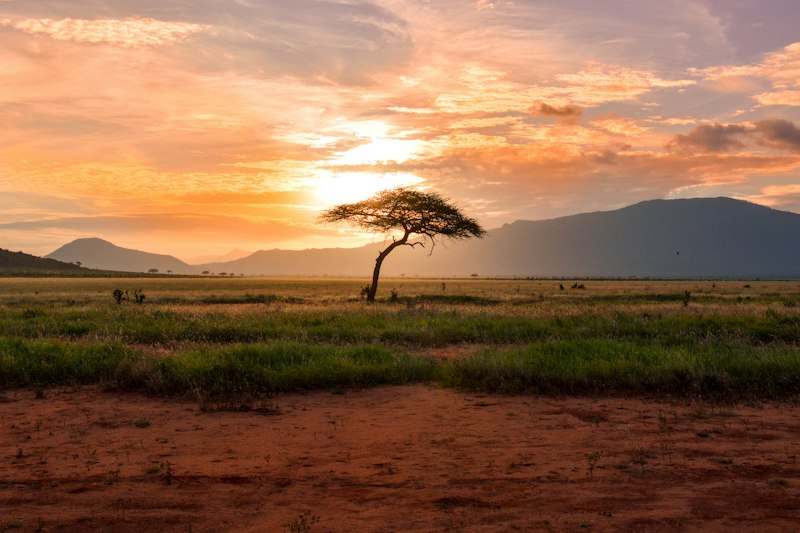 4 Days
 6 Days
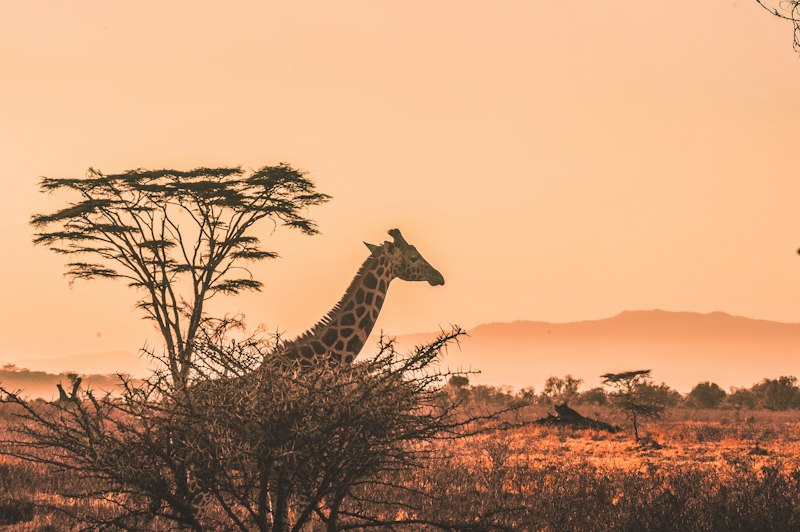 8 Days
What to expect
Most crater visits begin with an early breakfast at a rim-side lodge, followed by a descent road down to the crater floor — a striking transition from misty highland forest into open grassland. The rest of the morning is spent game driving across the floor, usually with a stop at the Lerai forest or the shores of Lake Magadi.
A picnic lunch is typically taken at one of the designated hippo pool sites, watching hippos wallow just metres away. The afternoon continues with further game driving before the ascent road back to the rim in late afternoon, timed to avoid the crater's 6pm exit curfew.
Vehicles typically descend early, around 7am, to make the most of cooler morning wildlife activity.
A full day's game drive, roughly 6 to 8 hours, covering grassland, swamp, forest, and the soda lake.
All vehicles must leave the crater floor by 6pm — a strict conservation-area rule.
When to go
| Months | Conditions | Rating | Notes |
|---|---|---|---|
| Jun – Oct | Dry, clear | Excellent | Peak season; clearest crater floor visibility and easiest game viewing |
| Nov | Short rains | Good | Brief afternoon showers, lush and green, fewer visitors |
| Dec – Mar | Dry, warm | Excellent | Reliable conditions and generally uncrowded outside holiday weeks |
| Apr – May | Long rains | Fair | Descent road can be slippery, but wildlife remains resident year-round |
What it costs
A crater day is billed as part of a wider itinerary rather than as a standalone product. Prices below are the per-person, per-day range for the accommodation tier you choose, plus a separate crater conservation fee.
Rim-side lodges with crater views, private vehicle, full board.
Premium rim-side or crater-view properties with private guiding.
Conservation area and crater descent fees, charged separately, per person per 24-hour period.
Fees vary by nationality and are updated periodically by the Ngorongoro Conservation Area Authority — we confirm current rates when finalizing your itinerary.
Before you go
In their words
"We saw lion, elephant, and black rhino before 10am. I didn't believe the density until I was standing in the middle of it."
"The descent road alone was worth the trip — watching the mist clear over the crater floor as we dropped down was unforgettable."
"Our guide knew exactly which corner of the crater the rhino tend to favour that time of year. Best single day of our whole trip."
Expert answers
Tell us your dates and we'll help you choose the right itinerary to pair with your crater day — no payment required to enquire.