"We paid more than a group safari would have cost, and it was worth every dollar. Staying at a leopard sighting for forty minutes with nobody rushing us is not something I'd trade back."
Why go private
The difference shows up at every sighting
A private safari means a dedicated 4x4 vehicle and guide reserved exclusively for your group, for the full length of your trip. That's the whole difference in one sentence, but it shapes almost everything about how the days actually go: an early-riser group can start game drives at first light without waiting on anyone else's schedule; a photography-focused group can stay at a leopard sighting for forty-five minutes instead of the ten a shared vehicle might allow; a family with young kids can build in flexible rest stops without apologizing to fellow travelers.
It also means the itinerary itself is built around your interests from the start — which parks, in what order, how many nights in each, and which accommodation tier — rather than choosing from a small set of fixed group departures. The trade-off is cost: a private vehicle and guide cost more per person than filling seats in a shared one, which is the main reason group safaris exist as a lower-cost alternative.
No shared seats, no compromise on how long to stay at a sighting or when to start the day.
Build the itinerary around what you actually want to see, not a fixed set of group departure options.
Add a Kilimanjaro climb, extend into the southern circuit, or adjust mid-trip — all far simpler without a shared group schedule to coordinate around.
Choosing a format
Private safari vs shared group safari
Neither is objectively better — the right choice depends on your budget, group size, and how much flexibility actually matters to you.
| Factor | Private Safari | Shared Group Safari |
|---|---|---|
| Vehicle | Your group only | Shared with other travelers |
| Schedule | Fully flexible, your choice | Fixed departure times |
| Itinerary | Custom-built for your group | Set route from available options |
| Cost per person | Higher | Lower |
| Best for | Families, photographers, couples, flexible groups | Solo travelers, budget-conscious groups |
Flexible Timing
Private Camp OptionsStep by step
How it works
Planning a private safari is a short back-and-forth, not a form you fill out once. The marker in the corner tracks where you'd be in the process — and your enquiry details are right here whenever you're ready.
-
Step 1Initial planning conversation
Design your route
We start with your dates, group size, budget range, and what you most want to see — the migration, the Big Five, a specific park, or somewhere quieter — and sketch out a route across whichever parks make sense.
TalkDates, priorities, and budgetA short conversation to understand what matters most to your group.
-
Step 2Itinerary and accommodation
Choose your parks and accommodation tier
We put together a draft itinerary — which parks, in what order, how many nights each — along with accommodation options across classic, premium, and ultra-luxury tiers, and revise it with you until it's right.
DraftDay-by-day itineraryParks, nights, and accommodation options laid out clearly, with revisions welcome.
-
Step 3Confirmation and preparation
Your private vehicle and guide, confirmed
Once the itinerary and dates are set, we confirm your dedicated guide and vehicle for the full trip — the same guide throughout, not a rotating cast — and send preparation notes covering packing, visas, and health requirements.
ConfirmDedicated guide and vehicleOne guide, one vehicle, for the entire length of your safari.
-
Step 4During your safari
Flexible pacing, day to day
On the ground, your guide adjusts each day's plan around what your group wants — an earlier start after a good tip on predator activity, a longer stop at a sighting, or a slower morning if that's what the day calls for.
DailyAdjusted to your group's paceReal-time flexibility that a fixed group schedule can't offer.
-
Step 5Between parks and at the end
Seamless logistics between parks
Transfers between parks, lodges, and flights are handled by the same team throughout, so nothing falls through the cracks between legs of a multi-park itinerary — including a smooth handoff if you're combining the safari with a Kilimanjaro climb.
One point of contact, start to finishWhether your trip is 3 parks or a full climb-plus-safari combination, the same team coordinates every leg — you're not re-explaining your trip to a new operator at each stop.
ThroughoutCoordinated transfersPark-to-park, lodge-to-lodge, and airport logistics handled end to end.
Investment
Choose your private safari tier
Pricing scales mainly with accommodation, not the "private" element itself — a dedicated vehicle and guide are included at every tier.
Building blocks
Parks you can combine
A private safari can move through any combination of these — here's where each of our detailed guides can help you plan.
| Park | Circuit | Known for | Guide |
|---|---|---|---|
| Serengeti | Northern | The Great Migration, endless plains | Full guide |
| Ngorongoro Crater | Northern | Concentrated Big Five viewing | Day trip page |
| Lake Manyara | Northern | Tree-climbing lions, birdlife | Day trip page |
| Ruaha | Southern | Remoteness, elephants, lion prides | Full guide |
In their words
What our travelers say
"Same guide for all nine days meant he genuinely understood what we wanted by day three. He adjusted the plan on the fly more than once based on what we told him we cared about."
"We combined a private safari with Kilimanjaro and the handoff between the two was completely seamless — same team, same point of contact the whole trip."
Expert answers
Frequently asked questions
-
On a private safari, the vehicle, guide, and itinerary belong entirely to your group — no joining strangers, no fixed departure times set by other travelers' schedules, and full say over pace, stops, and photography time at any sighting. A shared or group safari fills a vehicle with multiple parties traveling together on a fixed route and timetable, which costs less per person but trades away that flexibility.
-
Private safaris typically run from around $450 per person per day for a classic mid-range itinerary to $700 or more per person per day for premium lodges, and upward of $1,200 per person per day for ultra-luxury fly-in camps. The main cost drivers are accommodation tier, group size, and how much flying versus driving the route involves.
-
A minimum of 4 to 5 days lets you cover two parks properly, such as Ngorongoro and Tarangire or Ngorongoro and Serengeti, without feeling rushed. 7 to 10 days is common for a fuller northern-circuit itinerary or for combining safari with a Kilimanjaro climb, and southern-circuit parks like Ruaha typically call for a minimum of 3 to 4 days once flight connections are factored in.
-
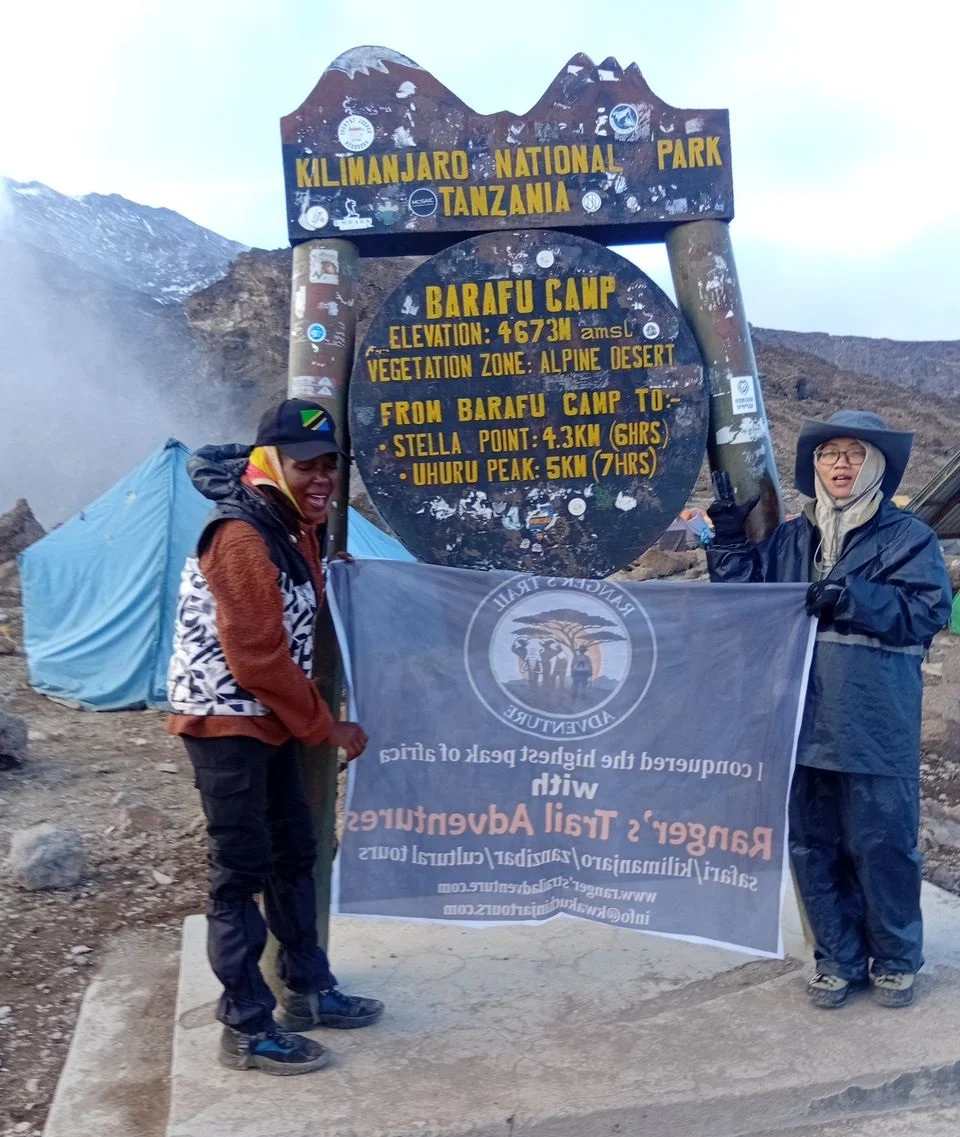
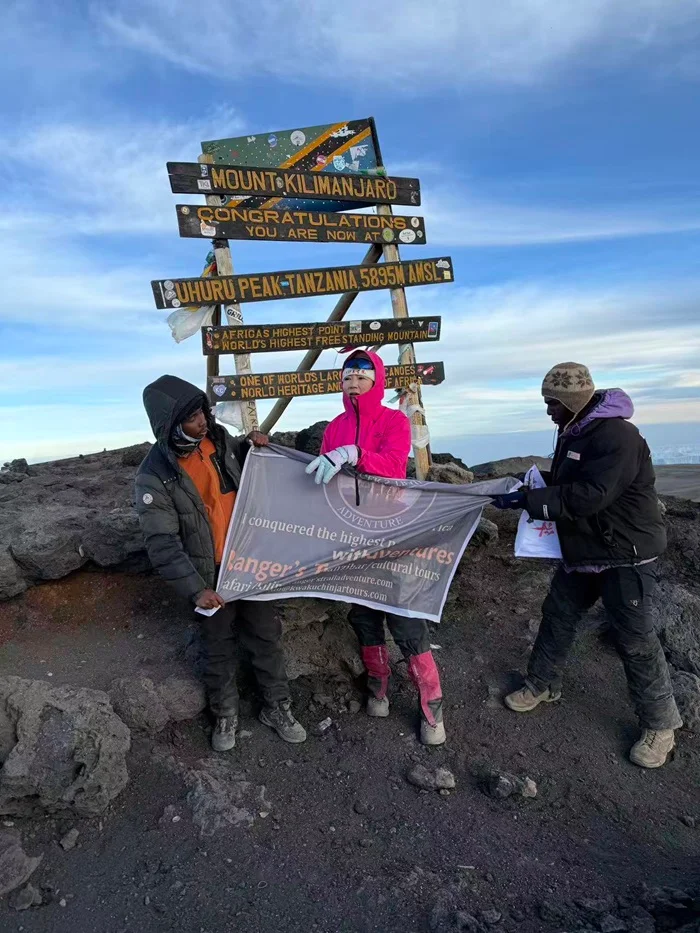
Yes — combining a private safari with a Kilimanjaro climb is one of the most common requests we get, and it's straightforward to sequence a climb before or after a private game-drive itinerary, since both use dedicated guides and vehicles rather than shared group schedules.
-
It depends on what you value. A private safari costs more per person, but it buys real flexibility — starting game drives at first light instead of a fixed group time, staying at a sighting as long as you want, and adjusting the next day's plan on the fly. For families, honeymooners, and photography-focused travelers, that flexibility is often the deciding factor; for solo travelers or larger budget-conscious groups, a shared safari can be an efficient way to see the same parks for less.