★★★★★
"We actually saw a lion draped over a branch about 15 feet up — our guide said it doesn't happen every visit, so we felt lucky. The forest section in the morning was a nice surprise too."
EMMA R. — CANADA · JULY TRIP
Four habitats in one compact park — groundwater forest, open woodland, alkaline lake shore, and the base of the Great Rift Valley escarpment. Closest major park to Arusha, famous for tree-climbing lions and flamingo flocks along the shore.
The park, mapped
Lake Manyara runs in a narrow strip along the base of the Great Rift Valley escarpment, which means the game drive moves through more distinct habitat zones per kilometre than almost any other park on the northern circuit — from dense forest to open lake shore in under an hour.
Why a day trip works here
Lake Manyara National Park sits in a narrow band along the base of the Great Rift Valley escarpment, roughly 1.5 to 2 hours from Arusha — closer than Ngorongoro or Tarangire, which makes it possible to run a full, unrushed game drive without the pre-dawn departure those parks require. Despite its modest size, the park moves through groundwater forest, open woodland, savanna grassland, and alkaline lake shore in a single loop.
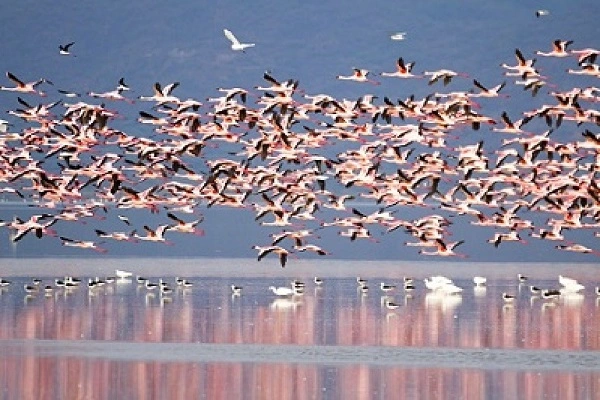
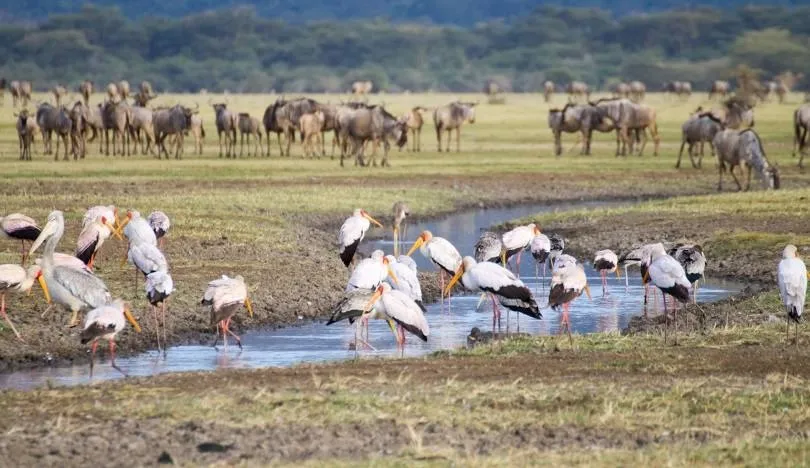
It's best known for two things: lions that climb into acacia and fig trees, a behavior seen reliably in only a handful of places in Africa, and its birdlife — over 400 recorded species, including large flamingo flocks along the shore when water levels are right. Elephant, hippo, giraffe, and several primate species round out a day that feels more varied than its compact size would suggest.
A shorter drive than Ngorongoro or Tarangire means a later, easier pickup and a full day without the pre-dawn rush.
One of the few parks in Africa where this behavior is documented and regularly observed, though not guaranteed on any single visit.
Over 400 recorded species, with flamingo flocks along the alkaline lake shore a particular highlight when conditions allow.
Trip intelligence
Every day-trip park has a different character. Here's how Manyara compares to the alternatives on the northern circuit, so you can decide what fits your interests and schedule.
| Park | Drive from Arusha | Known for | Character | Big Five odds |
|---|---|---|---|---|
| Lake Manyara | 1.5–2 hrs | Tree-climbing lions, birdlife | Compact, four habitats, closest park | 2–3 of 5, typical |
| Ngorongoro Crater | 3–3.5 hrs | Dense wildlife, resident Big Five | Caldera floor, most efficient viewing | 4–5 of 5, typical |
| Tarangire | 1.5–2 hrs | Baobabs, elephant herds | Open woodland, dry-season concentration | 3–4 of 5, typical |
| Serengeti (multi-day) | 4–5 hrs | Great Migration, open plains | Vast, needs multiple days | Excellent, over days |
 Groundwater Forest
 Lake Shore ·
Flamingos
Lake Shore ·
Flamingos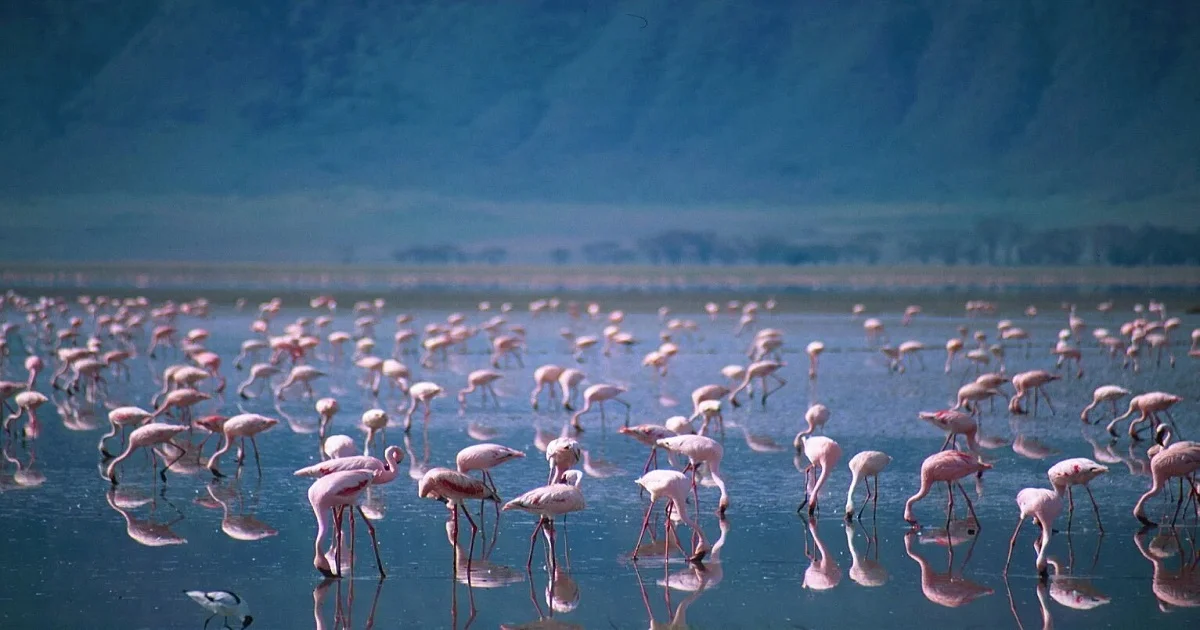 Tree-Climbing Lion
Hour by hour
One day, mapped by the hour, from a reasonable morning pickup to your return that same evening. The clock in the corner tracks where you'd be as the day unfolds — and your booking details are right here whenever you're ready.
A more reasonable start than Ngorongoro's pre-dawn pickup, thanks to Manyara's short drive from Arusha. The route passes through Mto wa Mbu, a lively market town at the base of the escarpment, before reaching the park gate.
Meet your guide and driver; from Moshi, pickup moves to approximately 06:00 to account for the longer drive.
Registration and park fee processing, with a brief stop for last-minute supplies at Mto wa Mbu if needed.
The park opens with dense, shaded groundwater forest, fed by underground springs off the escarpment. Home to baboon and blue monkey troops, and often the day's first elephant sightings moving between shade and open ground.
Cool, shaded canopy driving — a sharp contrast to the open plains later in the day.
Baboon and blue monkey troops are common here; elephants often move through the forest edge.
The trail opens into acacia woodland and grassland — the zone most associated with Manyara's tree-climbing lions, often resting in the branches during the warmer late-morning hours. Also good territory for giraffe, buffalo, and impala.
The most likely zone for tree-climbing lion sightings, particularly as temperatures rise.
Giraffe, buffalo, and impala are common here, with occasional zebra herds.
A shaded picnic stop with open views across Lake Manyara's alkaline waters — one of the few designated stopping points where it's safe to leave the vehicle.
Shaded tables with lake views; a good spot for birdwatching between courses.
The afternoon follows the alkaline lake shore, where hippo pools and — when water levels are right — dense flamingo flocks gather in the shallows. The drive continues to the Maji Moto hot springs near the escarpment base before turning back.
Flamingo flocks are seasonal but a highlight when present; hippo pods are reliable year-round.
Natural hot springs at the base of the escarpment, a distinctive stop unique to this park.
A short drive back toward Arusha or on to Moshi, arriving well before dark. One of the more relaxed day-trip schedules on the northern circuit, given how close the park sits to town.
Exit via the main gate, retracing the route through Mto wa Mbu.
Moshi drop-offs run roughly 1 hour later. End of day trip services.
Vehicle options
Identical schedule and route across all three — the difference is who you share the vehicle with and how many stops it makes along the way.
What's covered
Preparation
A day trip needs far less kit than a climb, but a full day outdoors moving between shaded forest and open lake shore rewards some planning. Sent again by email after booking.
When to go
| Months | Conditions | Rating | Notes |
|---|---|---|---|
| Jun – Oct | Dry season | Excellent | Wildlife concentrated near remaining water, clearest visibility |
| Jan – Feb | Short dry spell | Excellent | Good visibility, often the best flamingo numbers |
| Nov | Short rains | Good | Brief afternoon showers, lush green park |
| Mar – May | Long rains | Avoid if possible | Heaviest rainfall, some tracks can flood |
| Dec | Transitional | Good | Holiday season, generally favorable conditions |
In their words
"We actually saw a lion draped over a branch about 15 feet up — our guide said it doesn't happen every visit, so we felt lucky. The forest section in the morning was a nice surprise too."
"Chose Manyara over Ngorongoro because of the shorter drive and honestly don't regret it — the flamingos along the shore were incredible and the 7am pickup felt civilized compared to what friends described at Ngorongoro."
"As a birder this was the highlight of our trip, more than the bigger parks. Our guide knew exactly where to find specific species — genuinely impressive local knowledge."
Expert answers