★★★★★
"We'd done Serengeti two years earlier and wanted something quieter. Ruaha delivered — three days and we saw maybe four other vehicles total. The elephant herds under the baobabs were unforgettable."
MICHAEL T. — CANADA · AUGUST SAFARI
20,226 square kilometres of baobab-studded wilderness in southern Tanzania — roughly 10% of the world's remaining lions, one of East Africa's largest elephant populations, and a fraction of the visitors that flow through the northern circuit each year.
The park, mapped
Ruaha sits at a genuine biological crossroads — acacia-and-baobab country typical of East Africa meets miombo woodland typical of southern Africa, which is part of why the wildlife list here reads unusually long for one park.
What it is
Ruaha National Park was established in 1964 and expanded significantly in 2008 with the addition of the former Usangu Game Reserve and its wetlands, bringing the total protected area to roughly 20,226 square kilometres — making it the largest national park in Tanzania and one of the largest in East Africa. It sits roughly 130 kilometres west of Iringa in south-central Tanzania, anchoring a wider ecosystem that spans closer to 45,000 square kilometres once neighboring reserves and wildlife management areas are included.
What makes Ruaha distinctive is its position at the meeting point of two ecosystems: the acacia-and-baobab landscape typical of East Africa's northern safari parks, and the miombo woodland more typical of southern Africa. That overlap shows up directly in the wildlife list — both greater and lesser kudu, sable and roan antelope alongside more familiar plains game, and prides of lion large enough to bring down buffalo and even giraffe. The Great Ruaha River is the park's lifeline, shrinking in the dry season to a chain of pools that concentrate wildlife for some of the most reliable game viewing in the country.
An estimated tenth of the global lion population lives in and around Ruaha, organized into some of the largest prides recorded anywhere.
An estimated 10,000 or more elephants move through the park, often gathering in groups of up to 200 beneath the baobabs.
Far fewer visitors than the northern circuit, with correspondingly fewer roads, camps, and other vehicles on any given game drive.
Honest logistics
Ruaha sits on Tanzania's southern safari circuit, geographically separate from the northern circuit around Arusha, Ngorongoro, and Serengeti. That has real implications for how a trip here gets planned.
| Route | Approx. time | Notes |
|---|---|---|
| Flight via Dar es Salaam | ~1.5–2 hrs flying time | The standard route for most international travelers |
| Flight via Arusha | Varies, often via Dar | Possible but usually involves a connection, not direct |
| Road from Arusha | 10+ hrs | Not a practical or recommended option for most travelers |
| Road from Iringa | ~2–3 hrs | An option if already on the southern circuit overland |
 Baobab
Plains
Baobab
Plains Great Ruaha
River
Great Ruaha
River Miombo
Woodland
Miombo
WoodlandRegion by region
Ruaha's regions shift character with the terrain more than with the calendar — the map in the corner tracks where you'd be as you scroll through them, and your safari planning details are right here whenever you're ready.
The park's beating heart, especially in the dry season, when the river shrinks to a chain of pools that concentrate elephant, buffalo, hippo, and crocodile alongside the predators that follow them. This is where most game drives spend the bulk of their time.
Shrinking pools force wildlife to the remaining water, creating some of the most reliable viewing in the park.
Riverine cover gives predators the concealment they need for ambush hunting.
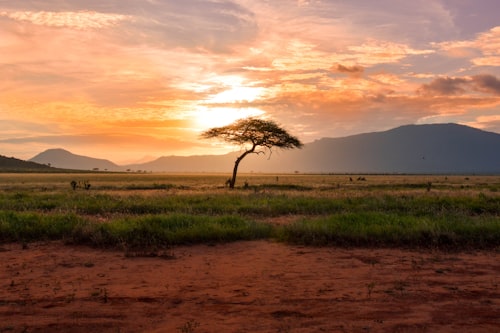
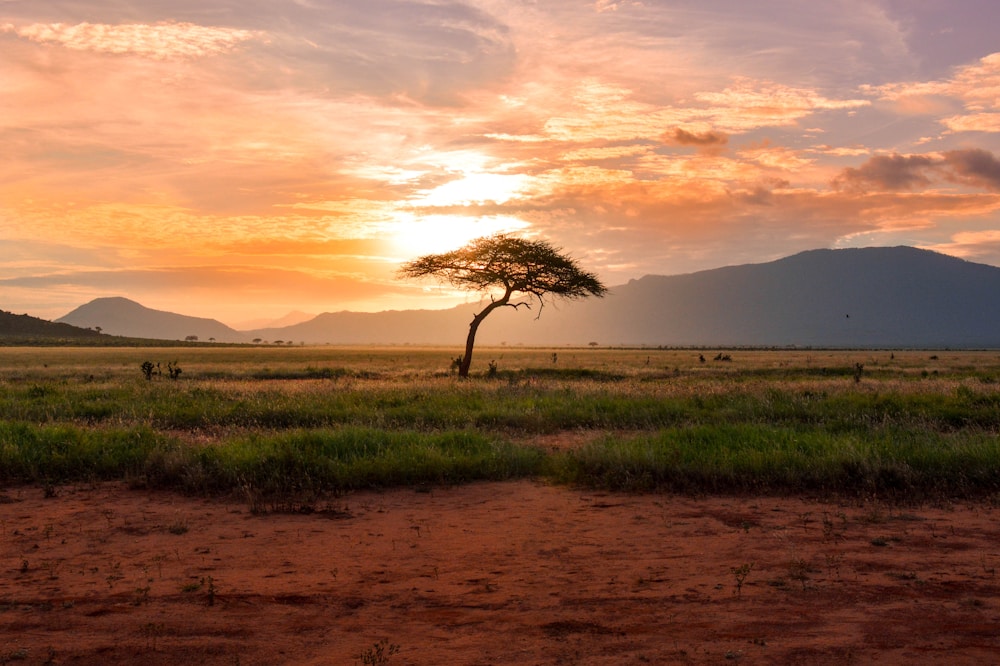
Rolling terrain studded with ancient, oversized baobab trees, some of the most photographed landscape in the park. Elephant herds numbering up to 200 gather in the shade here, and the open ground makes for excellent visibility.
Some of the park's most dramatic and photographed scenery.
Groups of up to 200 elephants gather beneath the baobabs.
Where East African acacia country gives way to southern African miombo woodland — rolling, wooded hills that reach up to 1,800 metres in places, home to species rarely seen further north like sable and roan antelope, and both greater and lesser kudu.
Antelope species more typical of southern than eastern Africa.
A visibly different landscape from the river corridor and baobab plains.
Added to the park in 2008 when the Usangu Game Reserve and its wetlands were incorporated, this section sees the fewest visitors of any part of Ruaha and has the least developed infrastructure — genuinely wild ground even by Ruaha's standards.
Most safari camps and standard game drives focus on the river corridor and central plains — this section is more of a specialist option for travelers who specifically want the least-visited ground in the park.
Formerly the separate Usangu Game Reserve and surrounding wetlands.
Choosing a circuit
Ruaha and Serengeti serve different priorities — here's how they actually compare.
| Factor | Ruaha (Southern Circuit) | Serengeti (Northern Circuit) |
|---|---|---|
| Access from Arusha | Fly-in only, via Dar es Salaam | Road or short flight, direct |
| Crowds | Genuinely remote, few other vehicles | Busier, especially peak migration season |
| Signature draw | Elephant herds, lion prides, baobabs | The Great Migration |
| Best paired with | Nyerere (Selous) or other southern parks | Ngorongoro, Tarangire, or a Kilimanjaro climb |
| Best for | Repeat visitors, remoteness-focused travelers | First-time safari travelers |
What you'll see
Ruaha's position between two ecosystems gives it one of the longer species lists of any Tanzanian park.
In their words
"We'd done Serengeti two years earlier and wanted something quieter. Ruaha delivered — three days and we saw maybe four other vehicles total. The elephant herds under the baobabs were unforgettable."
"Appreciated that the flight logistics were laid out clearly upfront — no surprises about needing to fly via Dar. Worth every bit of the extra planning."
"One of the biggest lion prides I've ever seen, right along the river. Genuinely felt like a different Africa from the northern parks we'd visited before."
Expert answers