 Northern Circuit
Serengeti
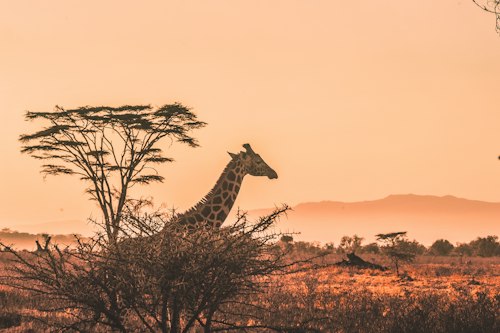
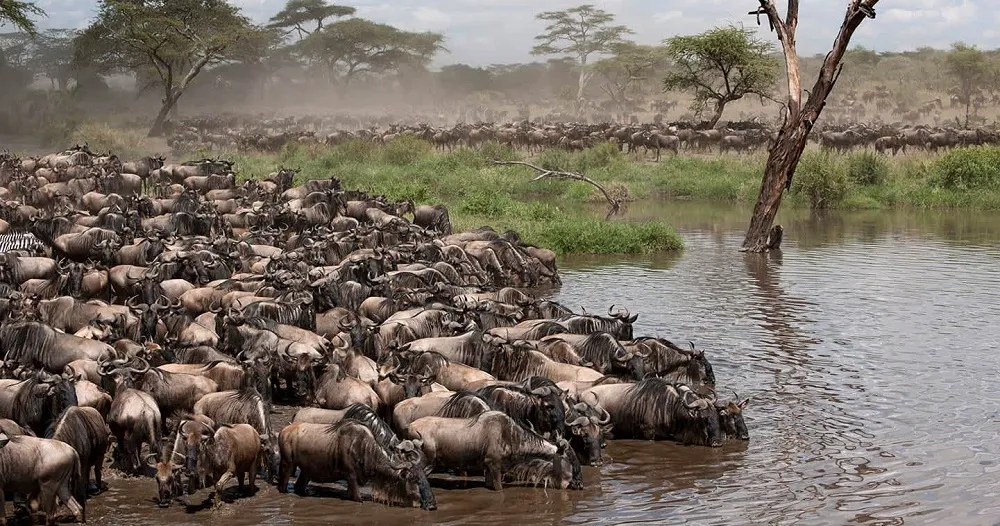
The widest choice of camps and the core of the migration for most of the year.
Read the park guide →Timing, budget, circuit choice, health and entry requirements, packing, and how to tell a reputable operator from a risky one — the groundwork that makes the difference between a smooth trip and a stressful one. Everything below reflects the 2026/2027 season.
Before you book
Tanzania rewards early, deliberate planning more than most destinations. Camps in the best locations hold only a handful of rooms, the migration moves through different parks depending on the month, and requirements around visas and health documentation change from year to year. None of it is complicated on its own — it's the number of small decisions that catches people out.
This guide walks through the six areas worth settling before you book: when to travel, what to budget, which circuit fits your trip, health and entry requirements, what to pack, and how to vet an operator. Each section links to a fuller guide where one exists.
The single most useful planning question isn't "which park?" — it's "what do I actually want from this trip?" Migration drama, calving-season predator action, fewer vehicles at each sighting, a shorter flight from home, or a lower daily cost each point toward different months, parks, and camp styles. Settle that first and the rest of the plan follows more easily.
Consideration one
Tanzania is a year-round destination, but the experience shifts significantly by month — rainfall, road conditions, the position of the migration, and camp availability all move together.
| Months | Conditions | Rating | Notes |
|---|---|---|---|
| Jun – Oct | Dry, peak season | Excellent | Clear skies and easy road access; the migration is typically in the northern Serengeti and Mara River area — book 6 to 12 months ahead |
| Nov | Short rains | Good | Brief afternoon showers, thinner crowds, and lower rates at most camps |
| Dec – Mar | Dry, calving season | Excellent | The southern Serengeti calving season draws predators and heavy demand — reserve early for this window too |
| Apr – May | Long rains | Good value | Some camps close for maintenance, but remaining properties offer the year's lowest rates and lush scenery |
Consideration two
Daily rates vary widely by travel style, and several real costs sit outside the headline price. Set a realistic total budget before comparing itineraries.
Group departures, shared vehicles, permanent or mobile tented camps with shared facilities.
En-suite lodges or permanent tented camps, private or small-group vehicles, full board.
Premium camps or villas, dedicated private guide, and often fly-in transfers between parks.
Consideration three
Tanzania's safari country splits into two circuits with different access, crowd levels, and cost profiles. Most first-time visitors start in the north; the south rewards a second trip or a longer itinerary.
Northern CircuitThe widest choice of camps and the core of the migration for most of the year.
Read the park guide → Northern Circuit
Dense, year-round wildlife in a compact area — a strong fit for shorter itineraries.
Read the park guide →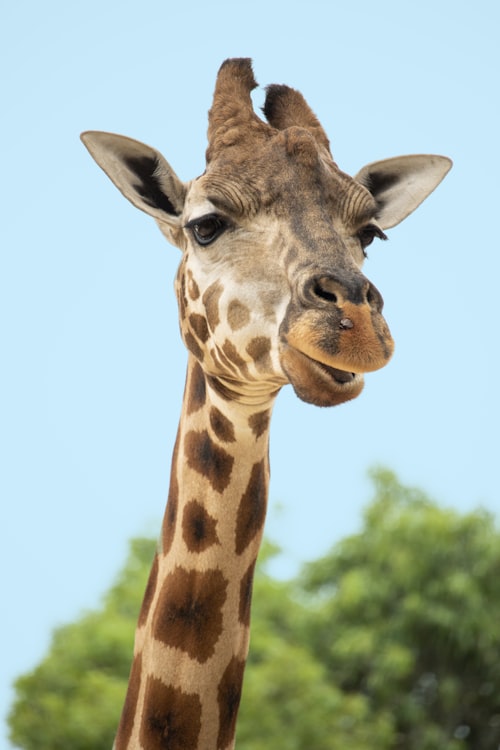 Northern Circuit
Best in the dry season, when elephant herds concentrate along the river.
Read the park guide → Southern Circuit
Far fewer vehicles, longer flights in, and boat or walking safaris on the Rufiji.
Read the park guide →As a rule of thumb: 3 to 4 days suits a Northern Circuit taster, 5 to 7 days covers two or three parks comfortably, and 8 or more days allows a Northern and Southern combination or an extension to Zanzibar.
Consideration four
Confirm current requirements with your government's travel advisory and a travel clinic before you book, since rules and recommendations do change.
Most nationalities need a Tanzania e-visa or a visa on arrival, and a passport valid for at least six months beyond your travel dates.
Required only if you're arriving from, or have transited through, a country with risk of yellow fever transmission — check the current list before you fly.
Most safari areas carry a malaria risk. A travel clinic can advise on antimalarial medication suited to your health history and itinerary.
Keep routine vaccinations current and ask your clinic about typhoid and hepatitis A protection, both commonly recommended for the region.
Choose a policy that covers emergency medical evacuation — a genuine consideration in remote parks — in addition to standard trip cancellation cover.
Consideration five
Safari packing is about practicality more than volume: most camps offer a next-day laundry service, so fewer clothes and better gear beats overpacking.
Consideration six
The operator you choose affects guiding quality, vehicle condition, and how smoothly problems get handled if something changes last minute.
Confirm the operator holds a valid Tanzania Tourist Licence and check how long they've operated in-country.
Look at recent, verified reviews across more than one platform rather than testimonials on the operator's own site alone.
A trustworthy quote spells out exactly what's included and what isn't, with no vague line items.
Ask about guide training, experience, and English (or your language) proficiency before booking.
Pull it together
A simple timeline for turning the sections above into a booked, ready-to-go trip.
In their words
"They walked us through the visa and vaccination steps before we'd even picked dates. Nothing about the paperwork side of the trip caught us off guard."
"We were torn between the Northern and Southern Circuits and they actually talked us out of the more expensive option once they understood what we wanted."
"The packing list they sent ahead of time was more useful than anything we found searching on our own — specific to our exact camps and dates."
Expert answers

Tell us your dates, budget, and priorities and we'll recommend a circuit and itinerary that fits — no payment required to enquire.